GULF Partners with Royal Initiative Discovery Foundation to Empower Udon Thani Communities through Solar-Powered Water Innovation
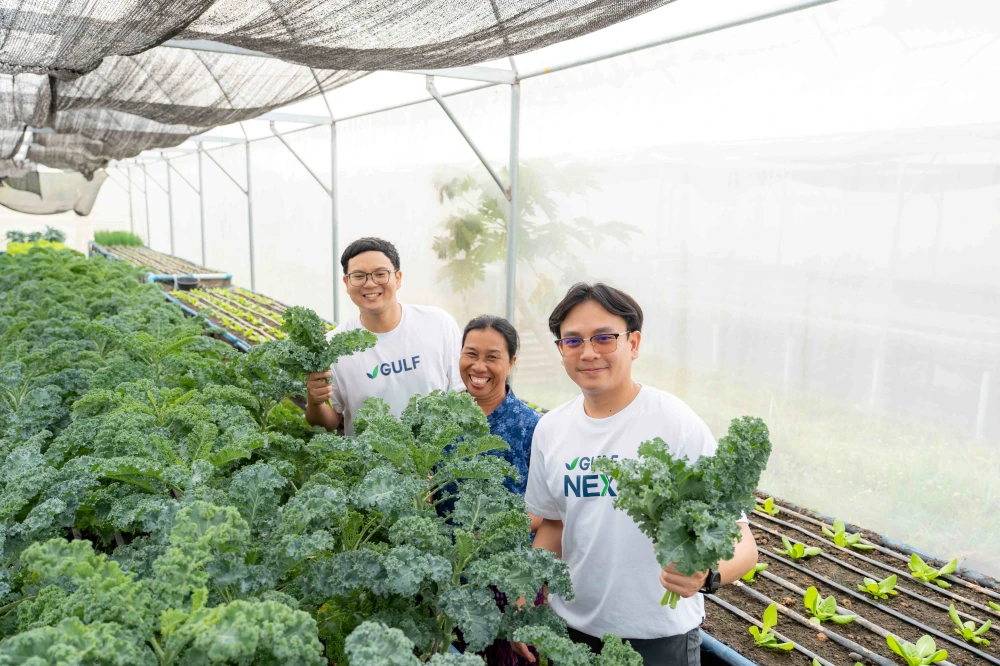
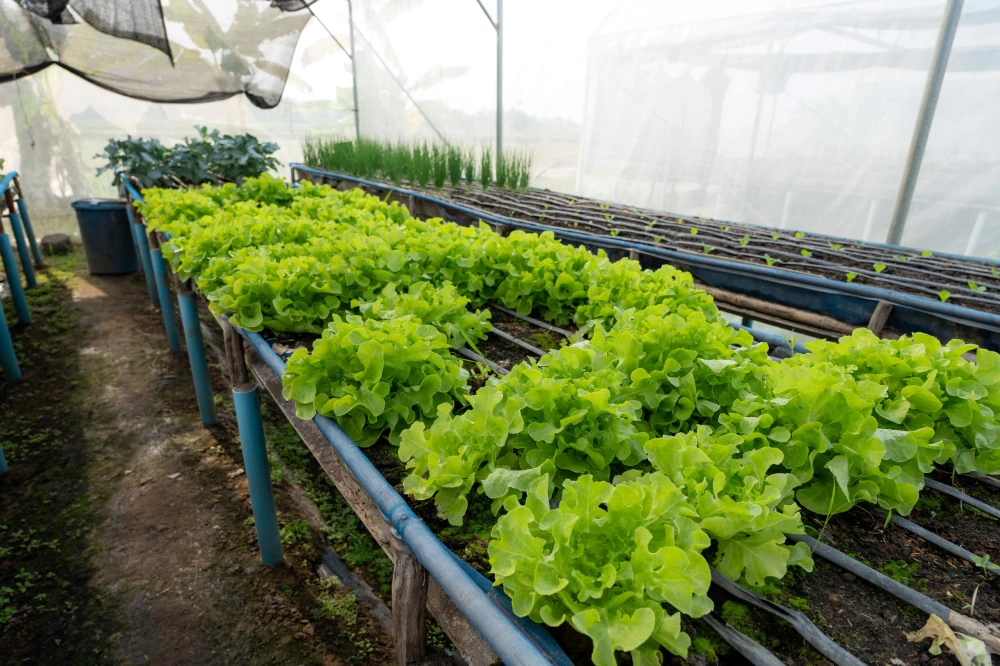
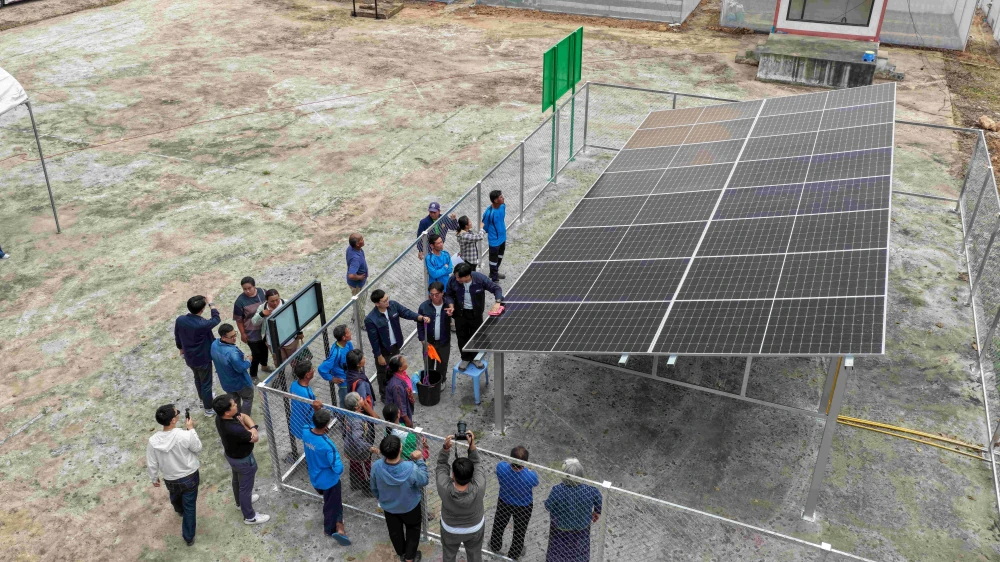
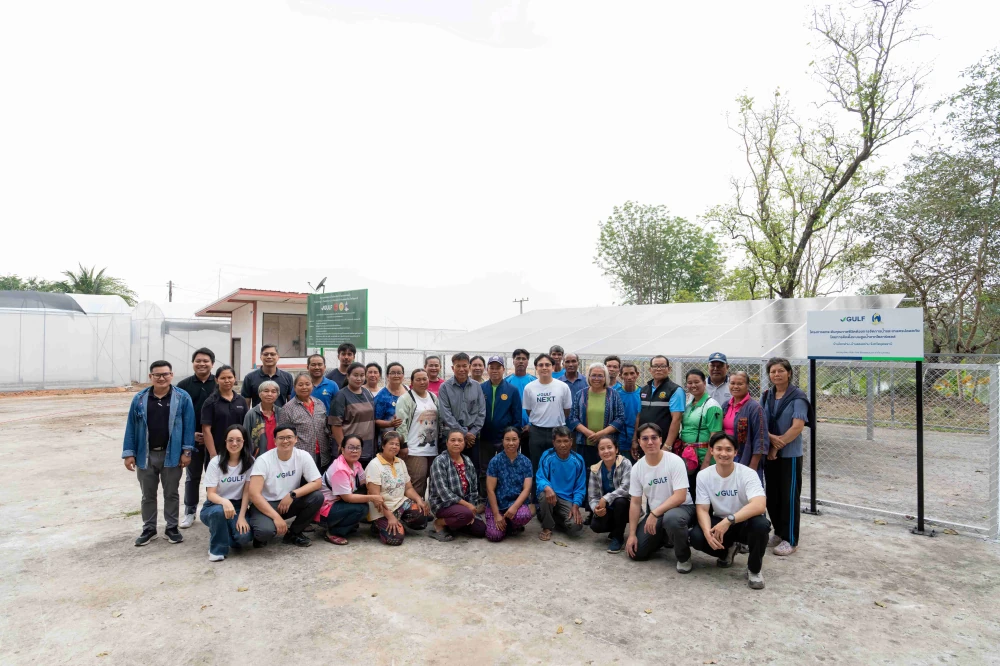
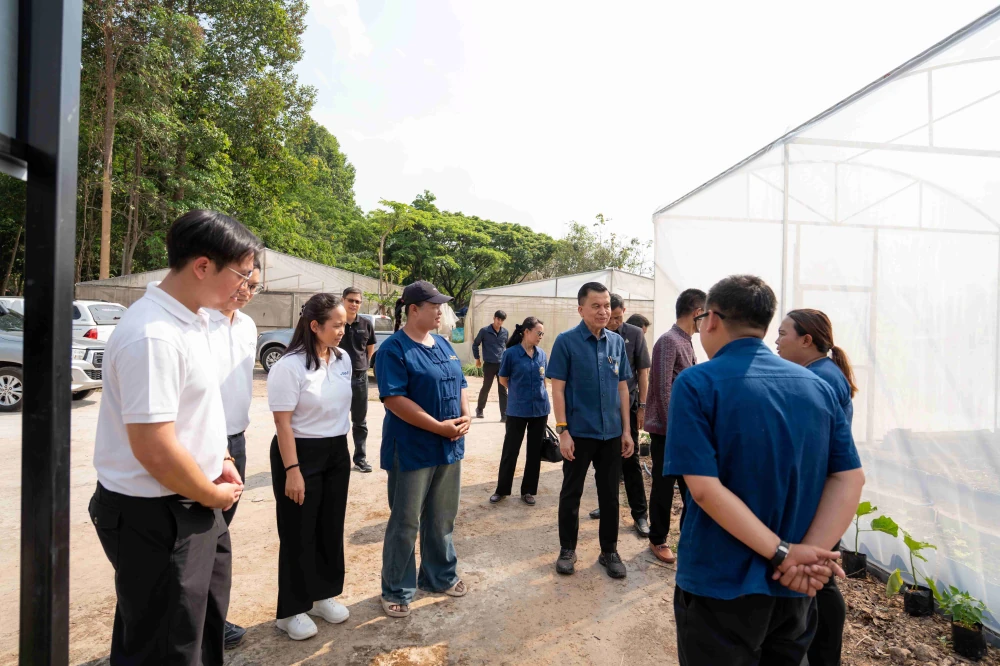
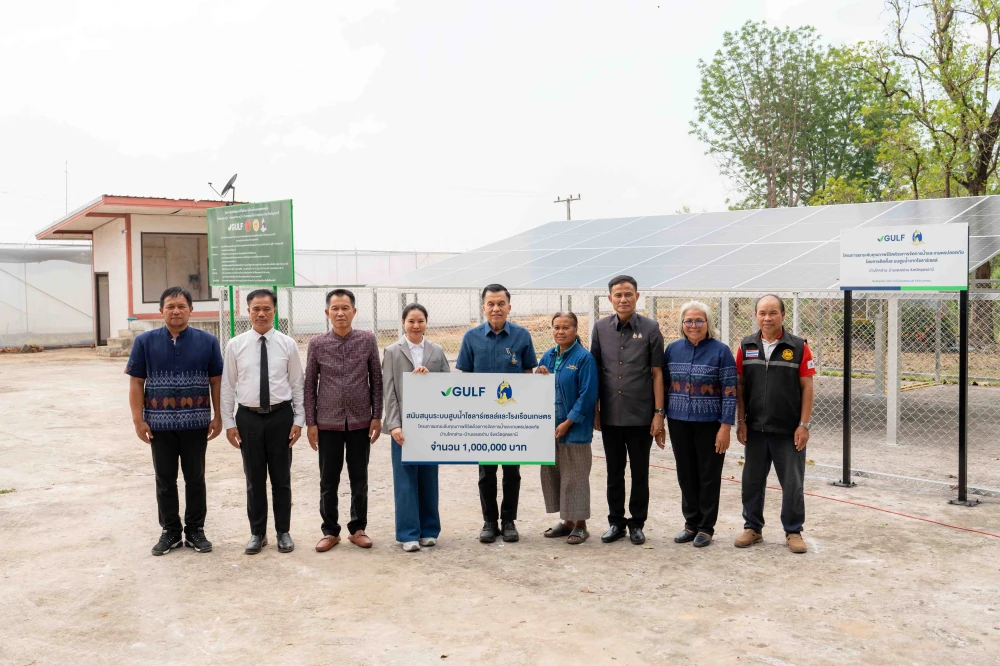
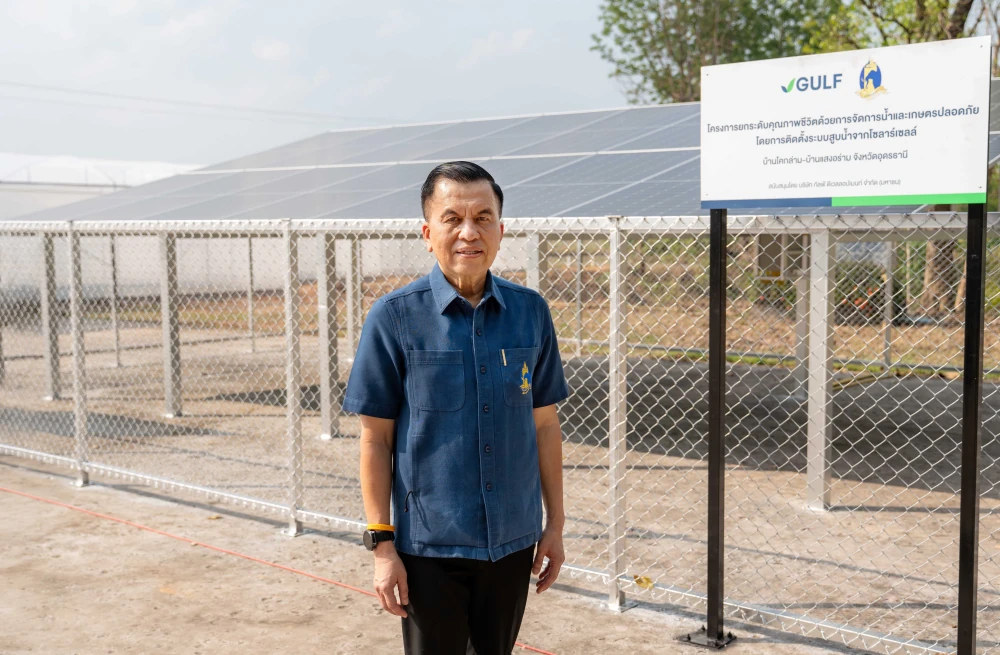
Gulf Development Public Company Limited (GULF) has joined forces with the Royal Initiative Discovery Foundation (Pid Thong Lang Phra), Royal Initiative Discovery Institute. By leveraging GULF’s leadership in renewable energy, the partnership is transforming agricultural landscapes and improving quality of life in Ban Khok Lam and Ban Saeng Aram, Udon Thani province, through sustainable water management and green technology. The initiative focuses on integrating solar-powered water pumping systems, high-level storage tanks, and an expansive pipeline network to provide reliable irrigation to agricultural plots and communal water sources. To further bolster food security, GULF has supported 10 specialized greenhouses for safe vegetable cultivation. This infrastructure supports the “3 Forests, 4 Benefits” model—a holistic approach designed to reduce household expenses while fostering long-term income and employment stability.
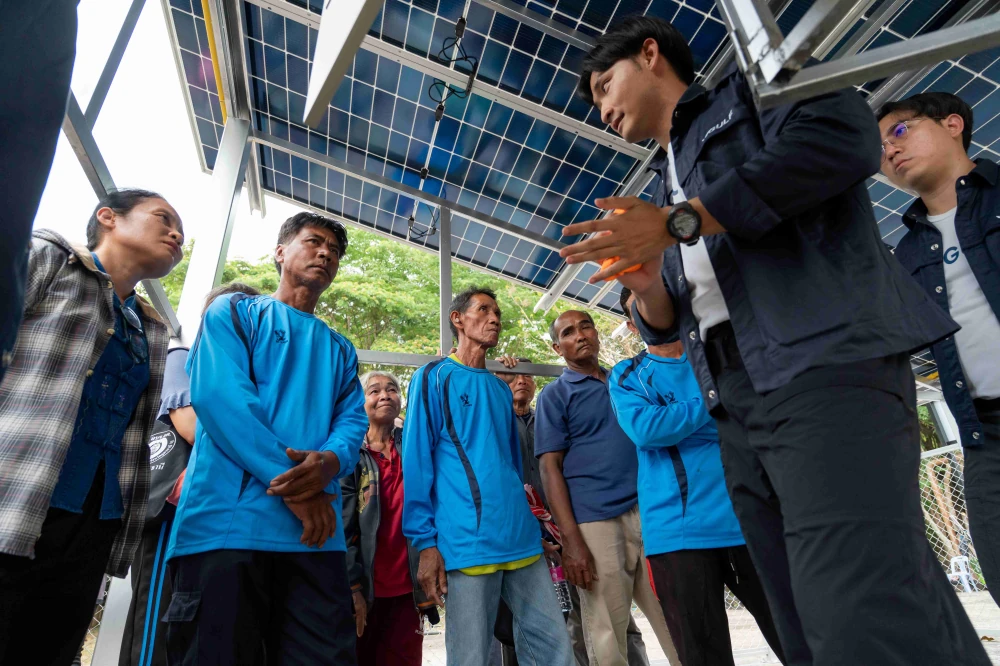
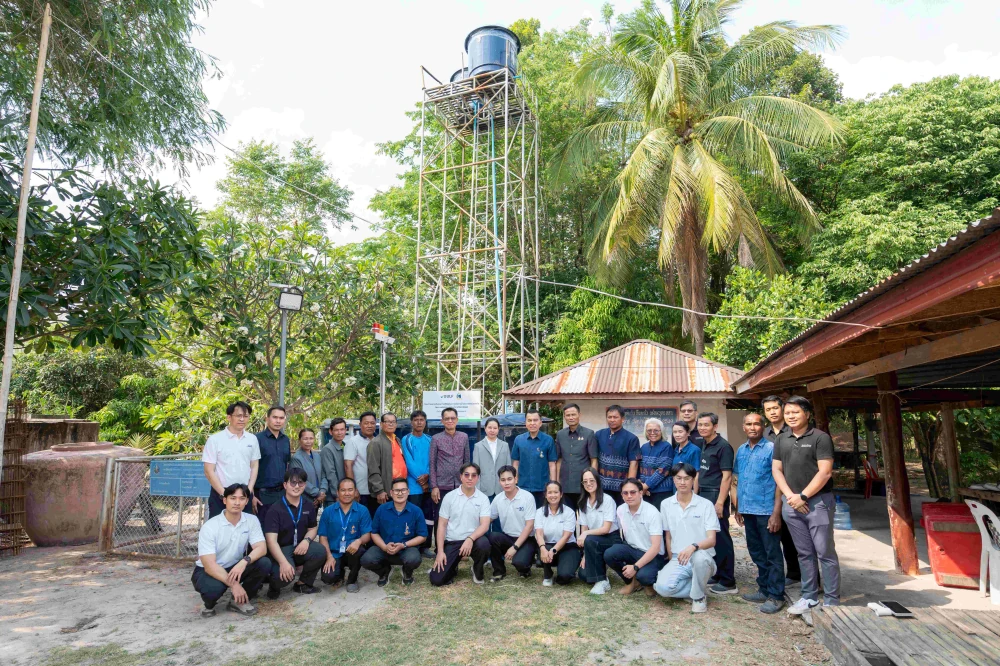
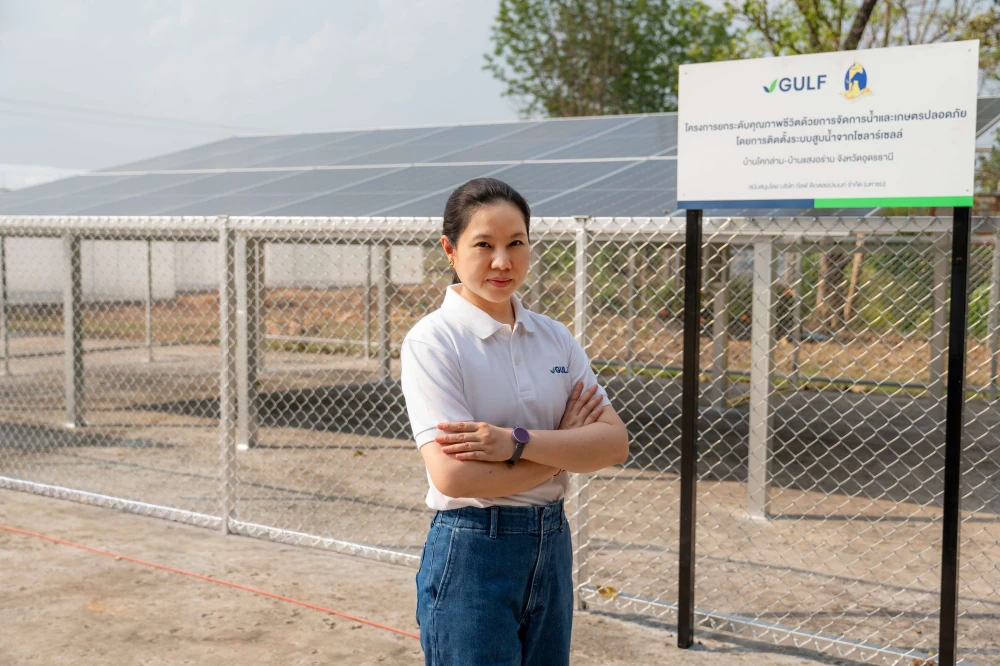
Ms. Yanisa Wattanakumnuan, Head of Corporate Social Responsibility, GULF, stated, “GULF is committed to enhancing social well-being by integrating our core business expertise into social development initiatives. Through our collaboration with the Royal Initiative Discovery Foundation, in Ban Khok Lam and Ban Saeng Aram, GULF has applied its proficiency in renewable energy—specifically solar power—to alleviate the burden of energy costs, which is a significant expense for farmers. We supported the installation of a solar-powered water pumping system and high-level storage tanks, alongside a comprehensive piping network to distribute water directly to cultivation plots. To further ensure stable income for local farmers, GULF provided 10 'safe vegetable' greenhouses. This water system was also extended to community reservoirs, ensuring a sufficient supply even during the dry season. This enables the cultivation of vegetables, fruit trees, and cash crops, leading to sustainable development under the '3 Forests, 4 Benefits' model. Additionally, engineers from GULF1, our subsidiary specializing in solar energy, were brought in to share vital knowledge on proper maintenance to ensure maximum operational efficiency.”
“GULF chose to support the Ban Khok Lam and Ban Saeng Aram project because these areas already possessed a strong, established group of farmers who simply lacked access to the clean energy needed to reduce overhead costs. This initiative not only helps the community lower household expenses but also generates a more reliable income stream. Our hope is that this group will continue to grow as more villagers join the program, eventually transforming these communities into a model for agricultural careers at the sub-district, district, and provincial levels,” Ms. Yanisa added.
Mr. Worayut Naowarat, Director of the Royal Initiative Discovery Institute, said, “Originally, Ban Khok Lam and Ban Saeng Aram faced severe water shortages. In response, the Foundation and relevant agencies systematically developed the Huai Khlai Reservoir under the Royal Initiative, increasing its capacity and establishing a distribution system alongside watershed reforestation. With a reliable water supply, farmers transitioned from monoculture rice farming to integrated and organic agriculture, leading to the formation of a robust community enterprise. This has become a concrete foundation for food security and local income, reflected in household earnings jumping from 95,000 THB in 2010 to 435,000 THB in 2025, with a significant reduction in debt.”
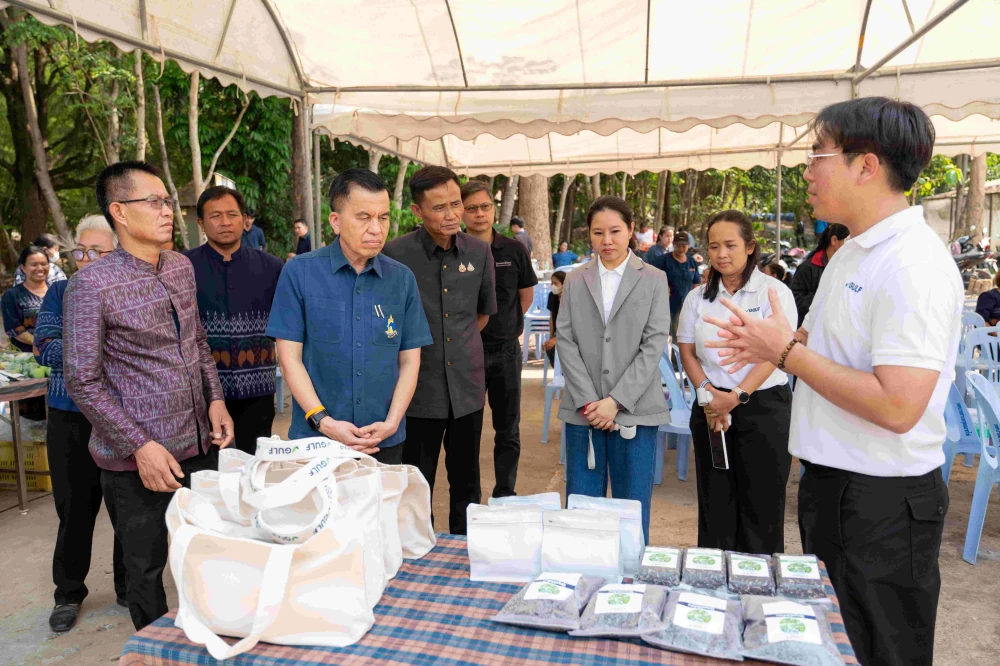
“Today, we are elevating the project further through a private-sector partnership with GULF. By integrating solar energy innovation for water pumping, we are drastically reducing energy costs. We are also constructing 10 additional high-value ‘safe vegetable’ greenhouses to serve as a modern production base. This support does more than just provide infrastructure; it transfers the knowledge necessary to enhance farmers’ competitiveness. We aim for this area to serve as a model for nearby communities, particularly in empowering vulnerable groups like the elderly and disabled to become self-reliant,” Mr. Worayut continued.
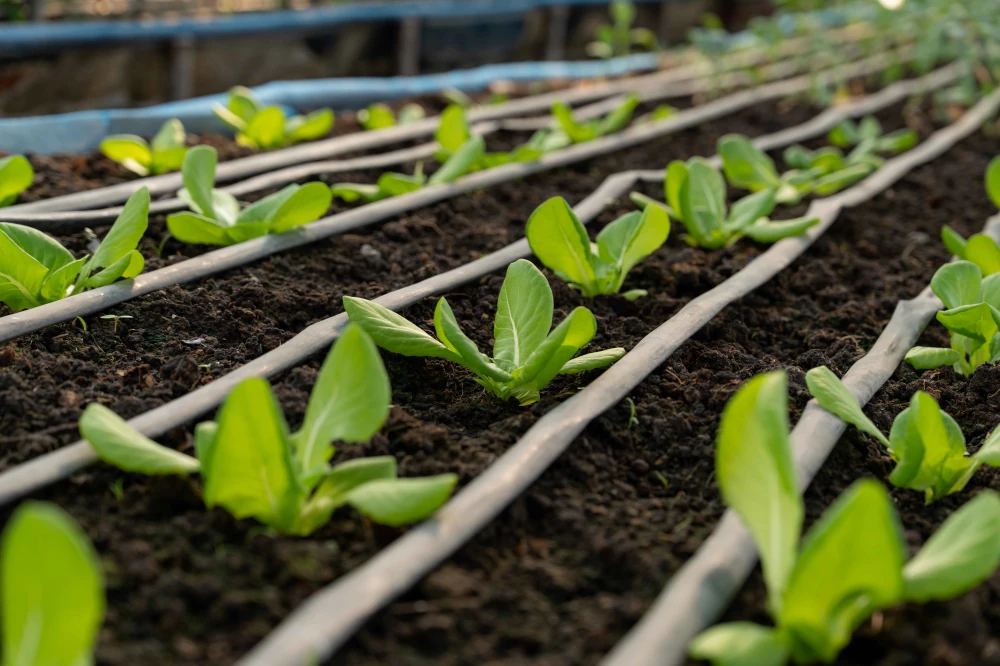
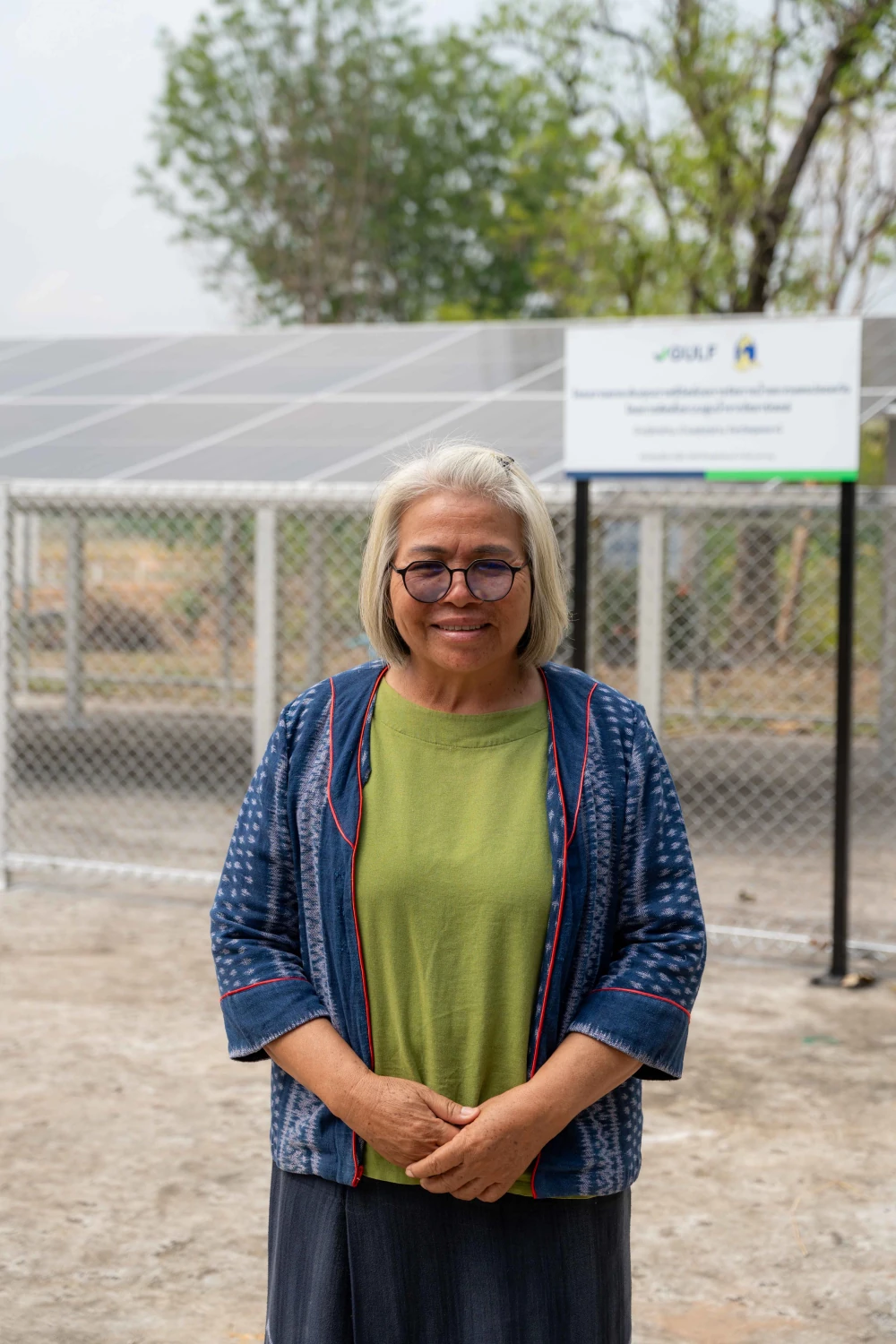
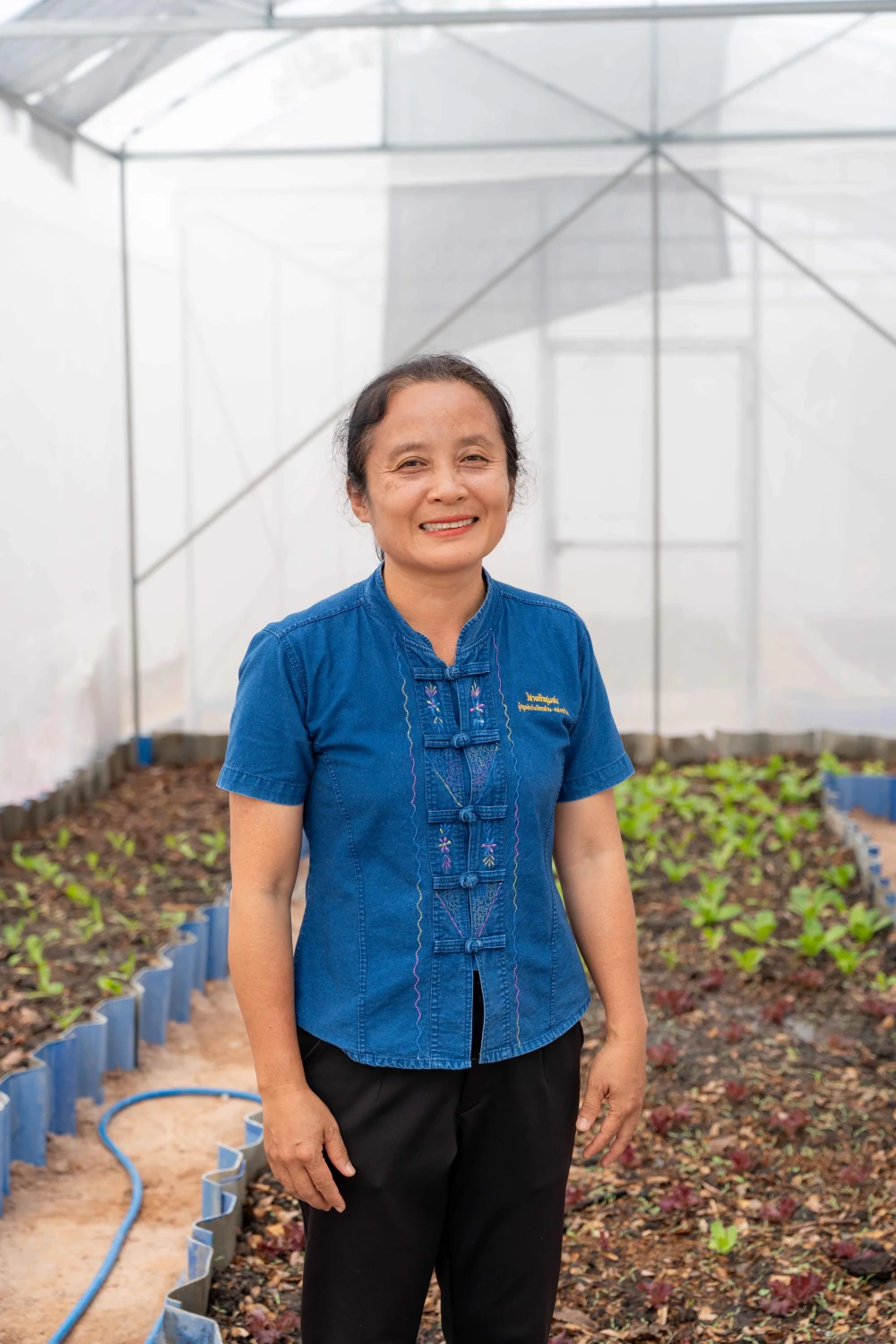
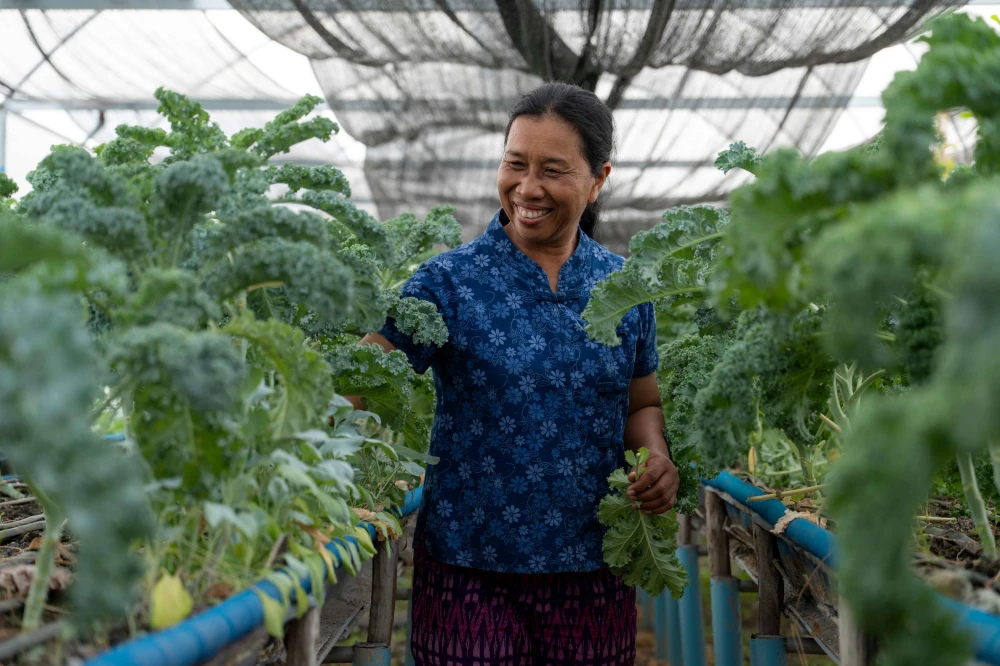
Mrs. Supawadee Pansa-nga, Committee Member of the Community Enterprise for Vegetable Growers, explained, “Our group began with local farmers growing vegetables for self-consumption. We eventually moved toward elevated-bed greenhouses and drip irrigation under the ‘Grow Less, Earn More’ principle. By managing our plots systematically with year-round planting schedules, we ensure a continuous market supply. Each 45-day crop cycle generates 4,000–5,000 THB per greenhouse. With eight cycles a year, members earn an additional 32,000–40,000 THB annually. This has tangibly improved our community's quality of life.”
“A major turning point was GULF’s support in installing the solar-powered water system and 10 new greenhouses. This ensures our produce meets market standards even during the dry season and provides a stable livelihood for villagers who do not own land. We are grateful to GULF and the Royal Initiative Discovery Foundation for using innovation to create value and bring lasting smiles back to our farmers,” Mrs. Pansanga said.
Mrs. Suphan Phanphrom, Head of Village Moo 3, Ban Khok Lam, added, “Previously, the high cost of energy for groundwater pumping left farmers with almost no profit. GULF’s solar cell system and additional greenhouses have not only cut expenses but also expanded the irrigation area around the reservoir. This allows us to grow vegetables, fruit trees, and cash crops, furthering the ‘3 Forests, 4 Benefits’ model. Additionally, GULF provided a high-level tank to store groundwater, ensuring we have enough for domestic consumption during the dry season.”
In every community collaboration, GULF emphasizes sustainability. In partnership with the Royal Initiative Discovery Foundation, GULF encourages farmers to form water-user and greenhouse management groups. A portion of the proceeds from vegetable sales is allocated to a maintenance fund for the solar-powered systems. By sharing expertise in modern agriculture, water management, and technology, the community is strengthened, becoming self-reliant and collectively elevating their standard of living.
Gallery