From "Global Boiling" to "Survival": Unleashing Youth Innovation in "Green Mission by Chula x GULF Year 3"
The Final Countdown: Inviting Young Minds to Turn Ideas into Climate Solutions and Compete for over 100,000 Baht — Applications Close July 3!
The global environmental crisis has progressed far beyond "Global Warming" and has officially entered the era of "Global Boiling." The extreme weather events occurring across every region of Thailand serve as a stark warning that climate change is no longer a distant, future threat. Instead, it is a tangible crisis causing real suffering today.
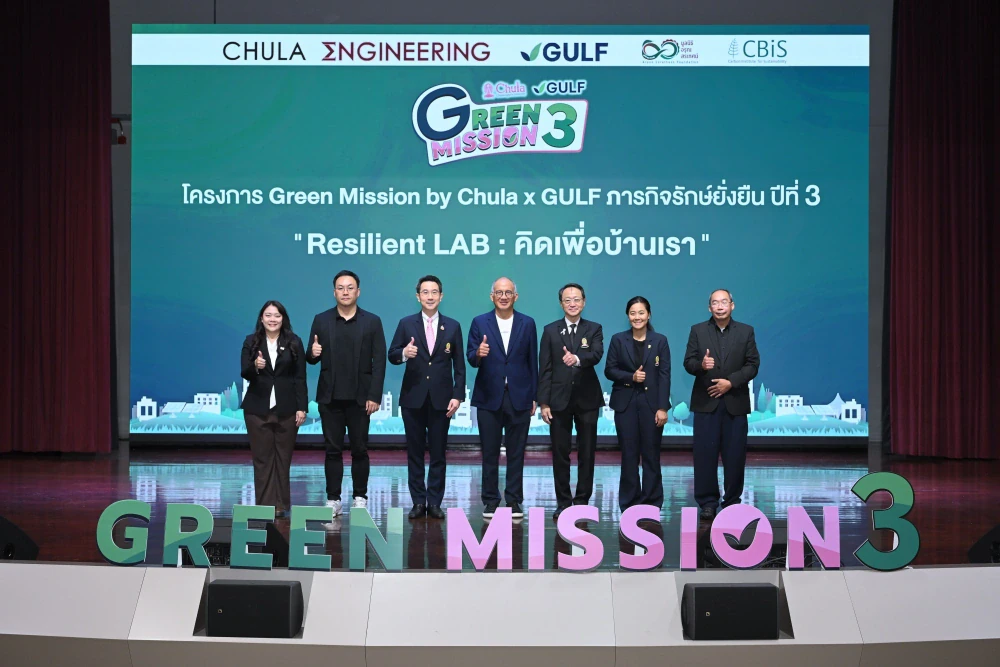
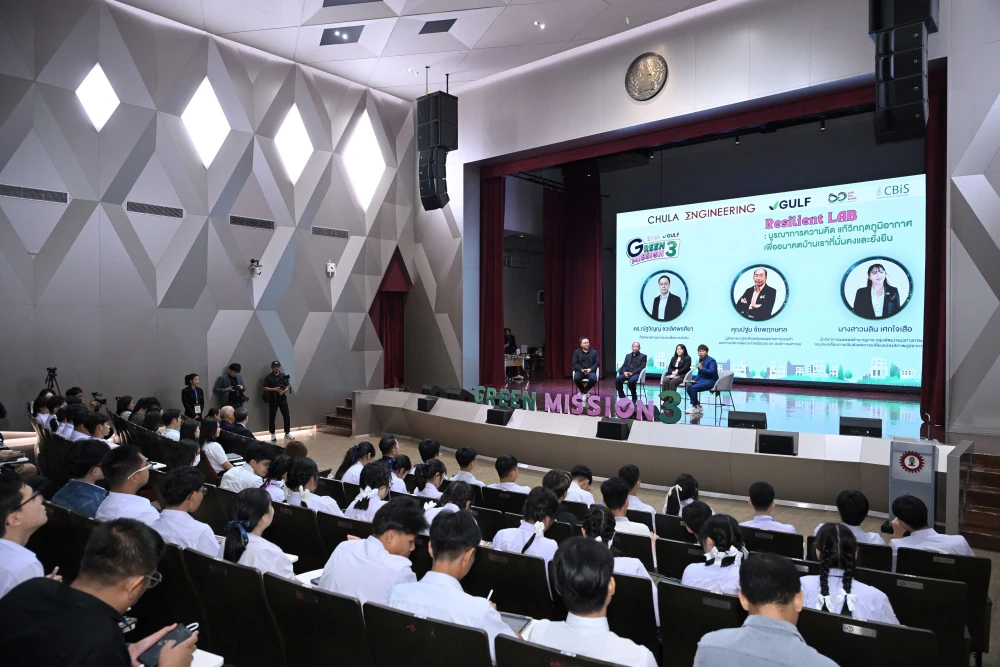
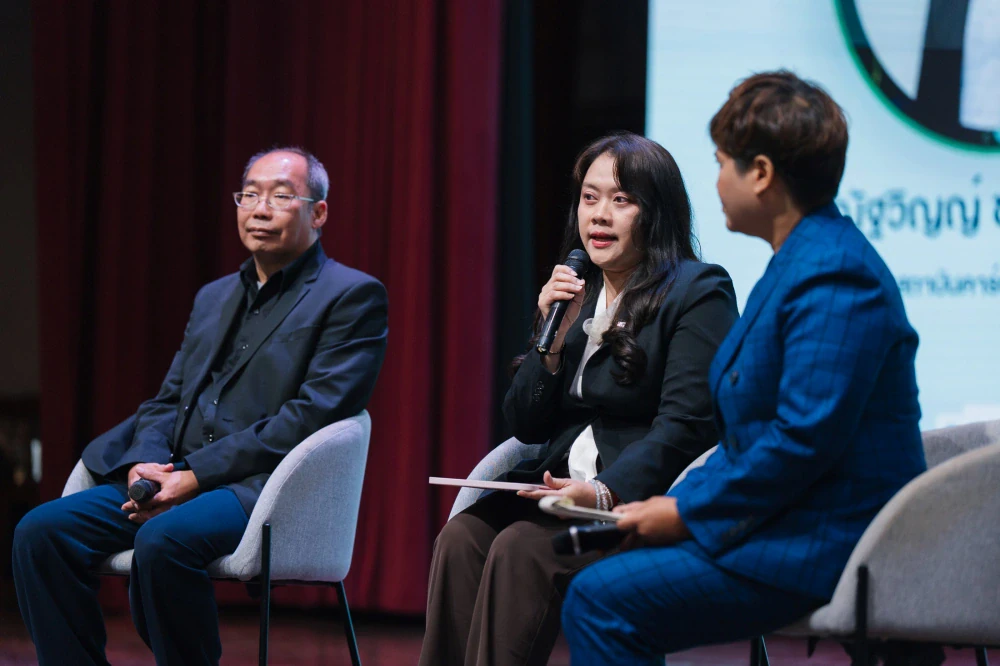
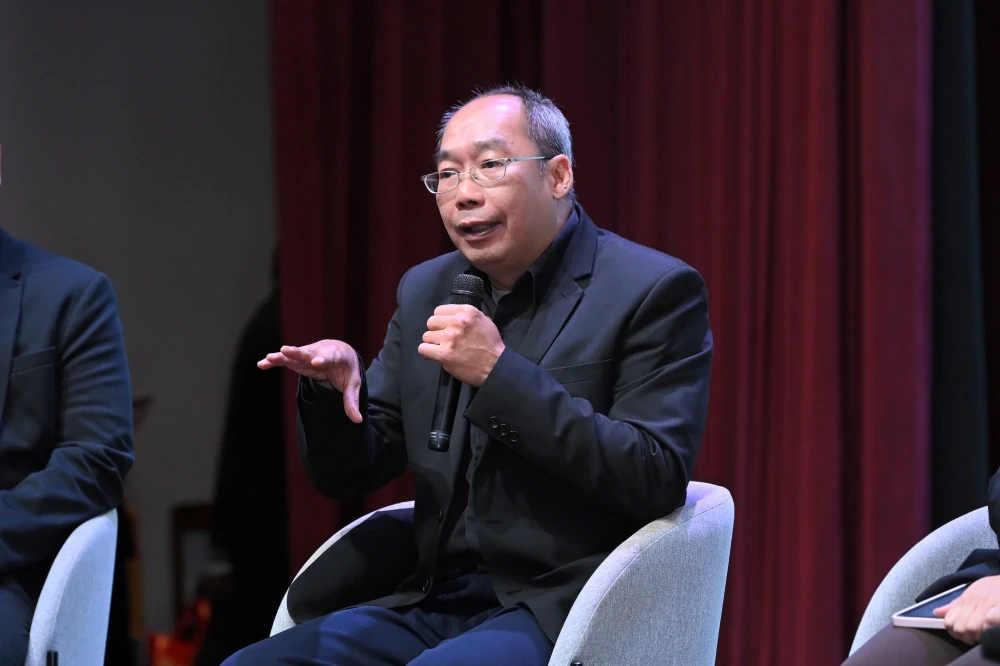
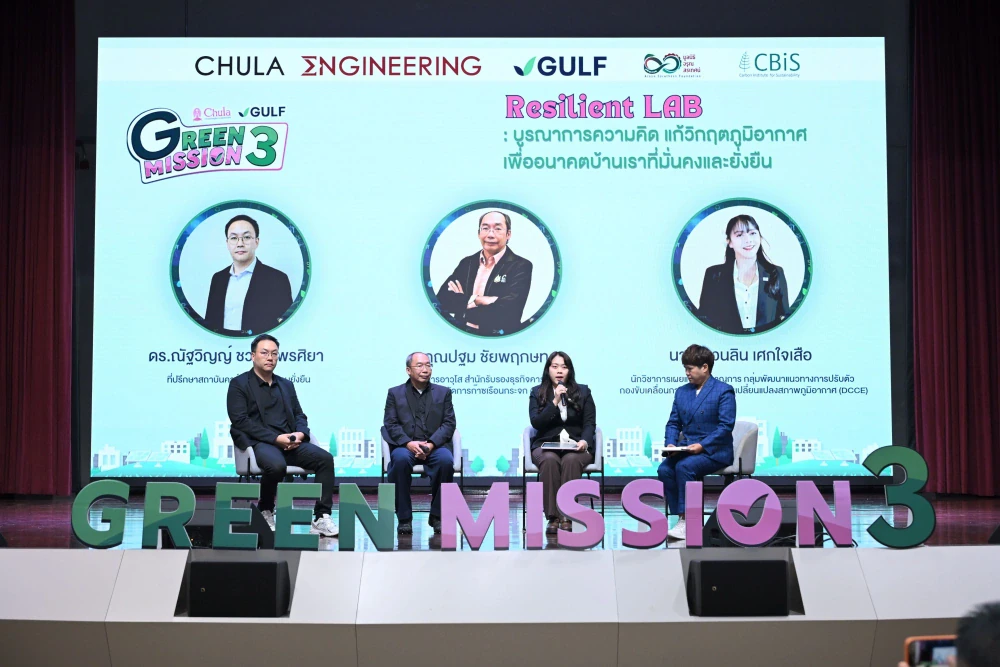
At the recent panel discussion titled "Resilient LAB: Integrating Ideas to Solve the Climate Crisis for a Secure and Sustainable Future of Our Home," held during the launch of the “Green Mission by Chula x GULF Year 3” project under the concept “Resilient LAB: Think for Our Home,” the torch was officially passed to the younger generation. The event brought together leading environmental experts to share deep insights, local climate realities, and key strategies for building sustainable innovations.
Mapping Thailand's Regional Climate Disasters
Ms. Nalin Sekjaisue, a Senior Dissemination Academic from the Climate Change Adaptation Division under the Department of Climate Change and Environment (DCCE), illustrated the diverse climate challenges facing Thailand's regions. She pointed out that today's weather patterns are highly volatile and unpredictable. The North faces intense heatwaves and worsening forest fires, while the Northeast battles severe droughts and unprecedented heatwaves. For instance, between March and April 2026, Khon Kaen Province experienced actual temperatures rising to 39–42 degrees Celsius. More alarmingly, high humidity drove the "Heat Index"—the temperature felt by the human body—to dangerous levels of 45–52 degrees Celsius, posing a severe threat to vulnerable groups, including children, women, the elderly, and people with disabilities. Meanwhile, the Central Plains face high risks of flooding, with Bangkok experiencing the clear impacts of rising sea levels. In the South, the region has been hit by sudden, heavy "Rain Bombs," which triggered the most devastating flood in Hat Yai District, Songkhla Province, at the end of last year.
Furthermore, scientists worldwide are increasingly concerned about the "Super El Niño" phenomenon, which has warmed Pacific Ocean temperatures by 1.5–2 degrees Celsius. Since the ocean acts as the Earth's air conditioner, this malfunction inevitably disrupts the global ecosystem. However, Ms. Nalin emphasized that the heart of climate adaptation lies in shifting the role of Thai citizens from passive victims waiting for post-disaster compensation to active, risk-aware individuals. She expressed her belief that Thailand's youth are not just passive recipients of a damaged future, but the vital force capable of changing the world today.
Sparking Individual Action and Localized Technology
Mr. Pathom Chaipruksaton, Senior Project Manager, the Low Carbon Business Certification Office for the Thailand Greenhouse Gas Management Organization (TGO), shared that reducing greenhouse gases begins with individual awareness. The first step is to calculate our daily carbon footprint using tools like the Zero Carbon application, which tracks emissions from daily activities like commuting and electricity usage.
Thailand has set an ambitious target to achieve Net Zero greenhouse gas emissions by 2050. While current plans focus on large-scale technologies like renewable energy, these sources still face stability limitations, prompting the integration of battery energy storage systems. At the local level, municipalities are driving greenhouse gas reduction plans through simple yet highly effective methods, such as installing energy-efficient light bulbs and expanding green spaces. Forestry remains the most cost-effective carbon absorption technology, and carbon credits from these forests will only increase in value in the future. Additionally, advanced "Negative Emission Technologies" are emerging to help pull existing greenhouse gases out of the atmosphere.
Mr. Pathom urged the youth to realize that the climate crisis is a personal issue that affects everyone daily. He encouraged them to see themselves not as small, powerless individuals, but as allies working together to keep global temperatures from rising beyond the critical 1.5-degree Celsius threshold. If that limit is breached, he warned, the Earth will become a patient beyond recovery.
The Golden Rules for Sustainable Innovation
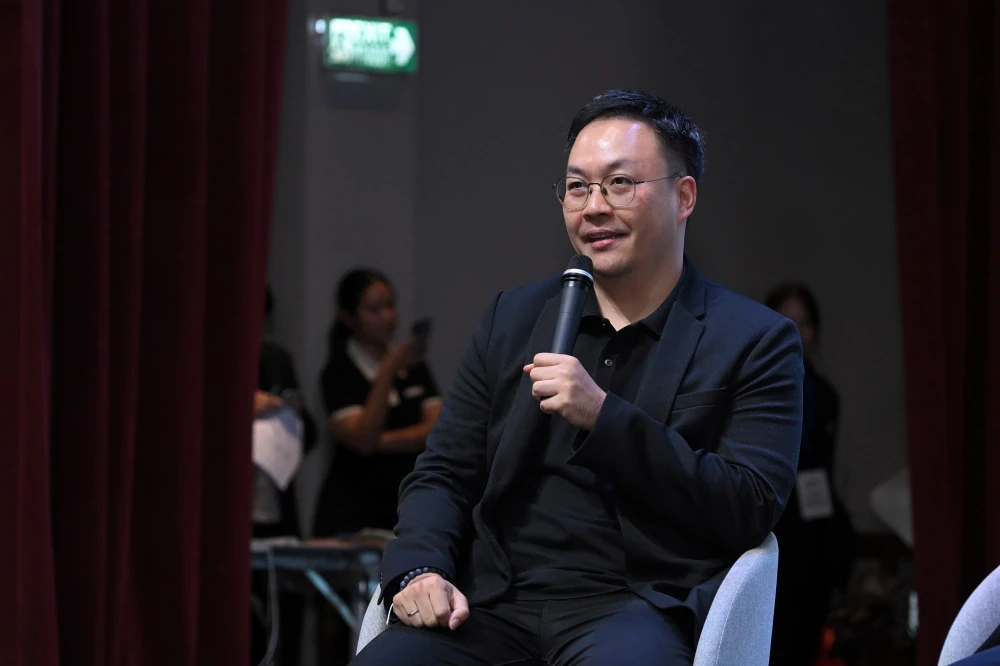
Dr. Nattawin Chawaloesphonsiya, Advisor to the Carbon Institute for Sustainability (CBiS), offered strategic guidance for the next generation of innovators, emphasizing the importance of "Systems Thinking" to ensure that solving a problem in one area does not simply shift it to another. He provided three essential guiding principles for the students.
First, they must "Find It." This means identifying who is truly affected by the problem and distinguishing between "customers" and "users" to ensure the innovation is genuinely needed. Second, they must "Think Globally" and look at the entire lifecycle of a product. For example, innovators must consider where solar panels or batteries go once they are damaged, drawing a parallel to how the shift from paper to plastic bags in the past—to save forest resources—created a plastic crisis that we are now trying to solve by returning to paper. Finally, they must "Find the Leverage Point." This is the critical pivot in systems thinking where a single targeted intervention can create a massive, positive ripple effect, making the overall solution much easier to implement.
Dr. Nattawin concluded that successful and sustainable innovation must be user-friendly, solve a real problem, and be financially self-sustaining in the long run. He urged the youth not to fear failure or keep their ideas solely on paper. He emphasized that mistakes can lead to world-changing innovations, citing the invention of the Post-it note, which originated from a failed attempt to create a strong adhesive but ended up benefiting people worldwide.
Unleashing Youth Innovation for the Low-Carbon Future
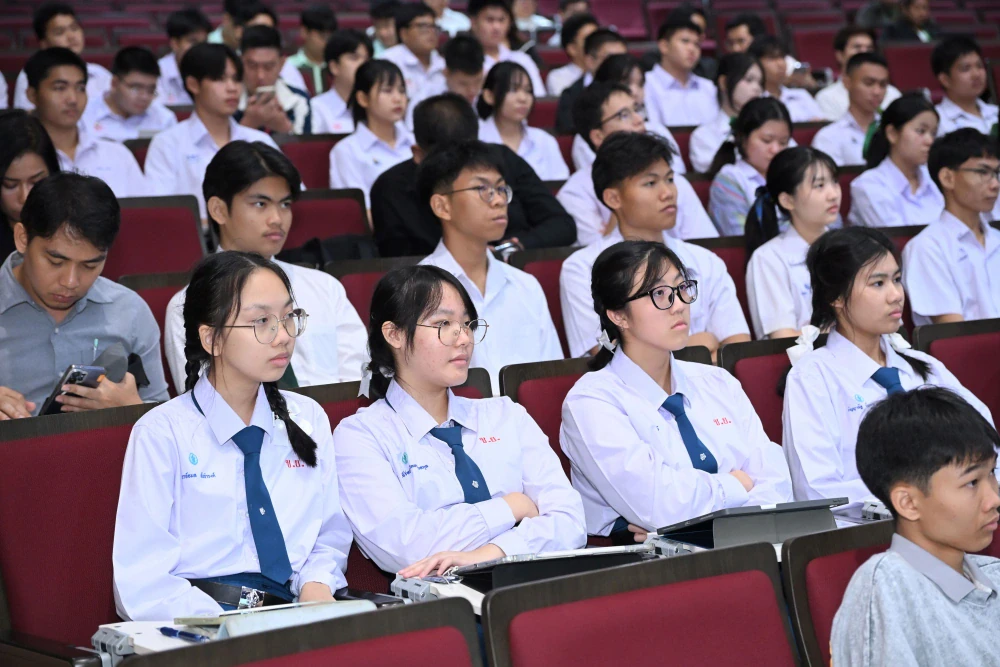
It is time for the new generation to transform their ideas into community survival through the "Green Mission by Chula x GULF Year 3" project. Born from the shared vision of Gulf Development Public Company Limited (GULF) and the Faculty of Engineering, Chulalongkorn University, this initiative invites high school students across Thailand to identify environmental challenges in their own communities and turn them into creative climate solutions, competing for scholarships totaling over 100,000 Baht.
This year, GULF is elevating the competition by providing actual development funding to transform the winning "ideas on paper" into "working innovations." This initiative aims to cultivate a new generation of active, hands-on "Green Leaders" who will serve as a driving force in leading Thailand toward a sustainable, low-carbon society.
High school students interested in participating in teams of four can apply from today until Friday, July 3, 2026, via the Google Form. For more information, please visit the website at eng.chula.ac.th or contact the team at 086-522-3844. You can also stay updated with the project's journey on Facebook at GULF Spark and TikTok at @GULFspark.
Gallery