GULF Hosts Senior Administrative Justice Executives to Discuss Future Energy Security and Transition
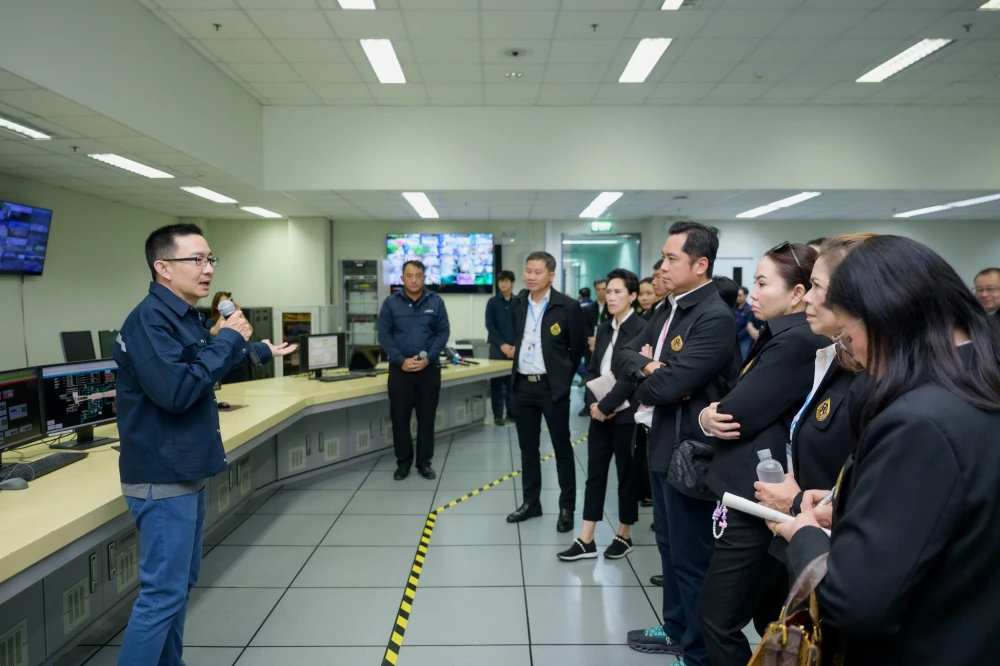
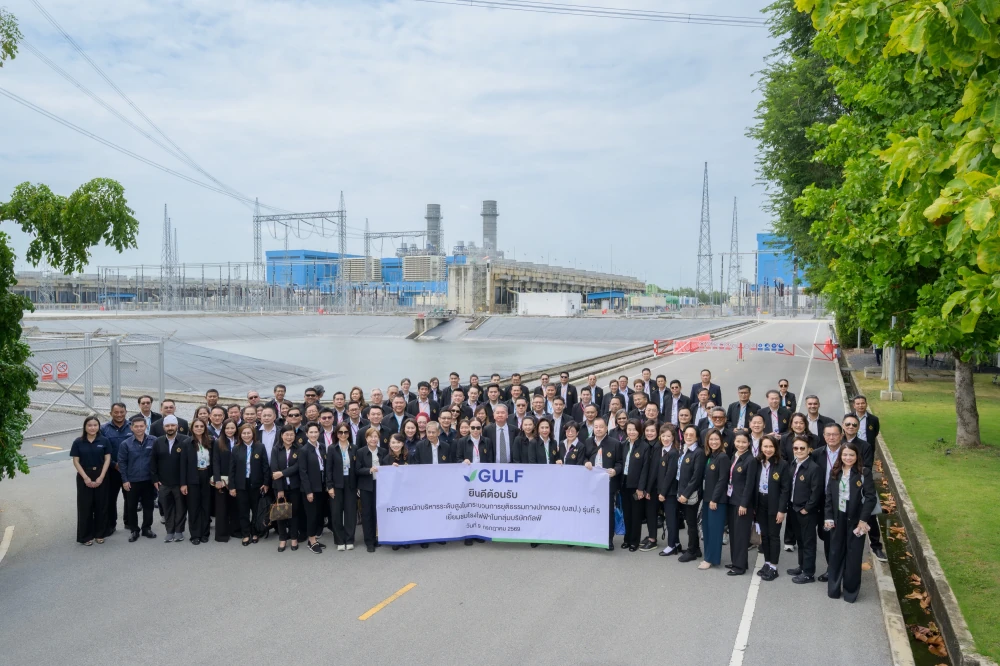
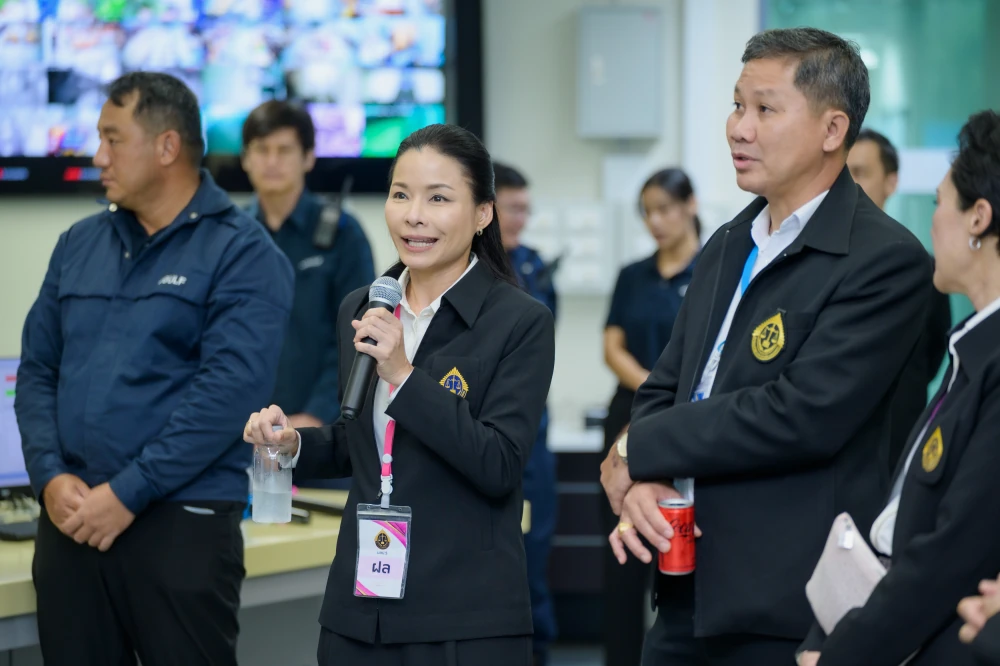
Gulf Development Public Company Limited (GULF), led by Mr. Smith Banomyong, Chief Strategic Officer, welcomed senior executives from the 5th batch of the Administrative Justice for Senior Executives Program (AJSE) to the Uthai Power Plant in Uthai District, Phra Nakhon Si Ayutthaya Province. The visiting delegation, which included administrative court judges, judicial officers, high-ranking government officials, and top private sector executives, gathered to exchange perspectives, explore advanced power generation technologies, and engage in constructive discussions regarding the electricity business and the future direction of the energy industry.
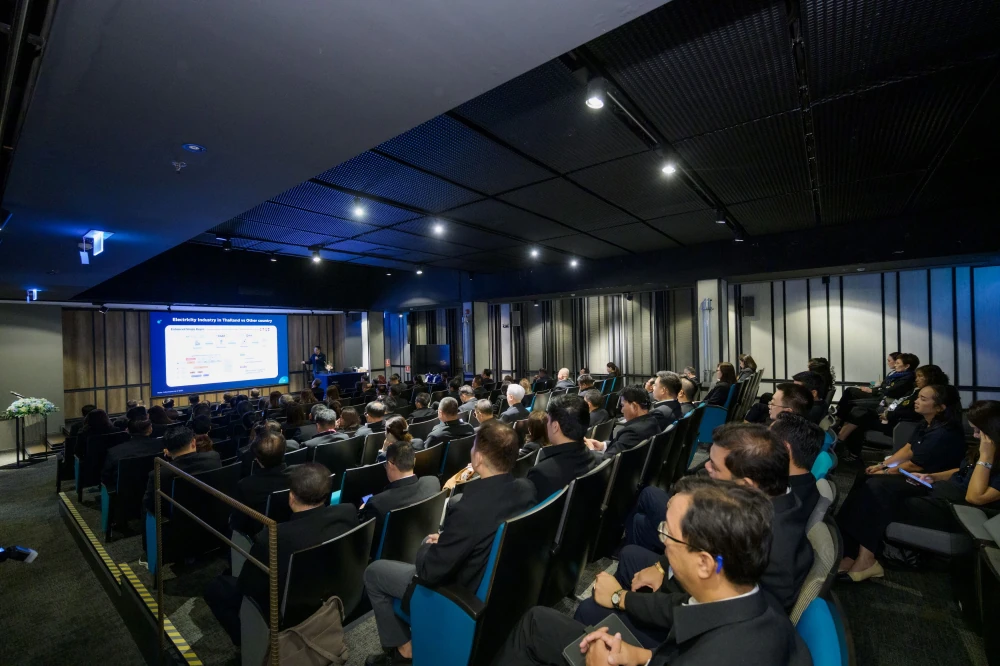
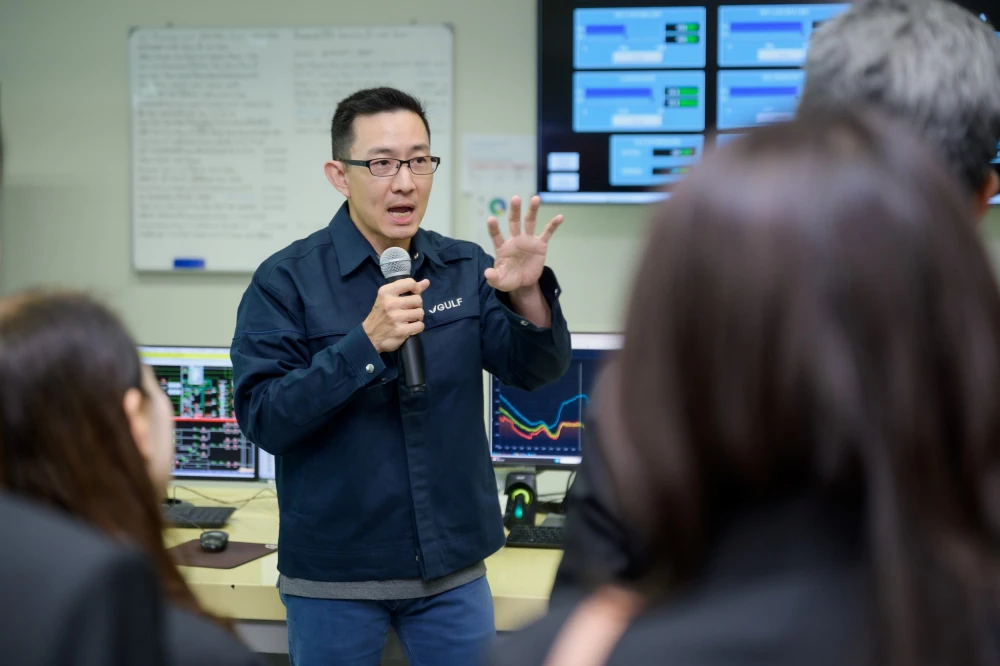
To ground the delegates in the current challenges of the sector, Mr. Smith Banomyong, Chief Strategy Officer, Gulf Development Public Company Limited, addressed the "Energy Trilemma" that must be balanced: energy security, affordability, and environmental sustainability. The fundamental challenge, however, is that these three dimensions often conflict with one another. For instance, while renewable energy sources like wind and solar are clean, they are highly intermittent by nature and cannot generate power 24/7. This volatility frequently leads to a public misconception regarding the reserve margin. When looking solely at quantitative figures, Thailand’s total installed capacity, when subtracted by peak demand, appears to show a surplus of reserve electricity. In reality, once unstable renewable energy is subtracted, the actual dependable capacity is very close to the actual peak demand. For this reason, many developed nations have moved away from traditional reserve margins, adopting the Loss of Load Expectation (LOLE) metric to reflect the true reliability of the power system instead.
This volatility in the transmission system is further amplified by changing consumer behavior. Mr. Smith highlighted this key shift, “Historically, peak electricity demand occurred during the afternoon, between noon and 3:00 PM. Today, however, the widespread adoption of rooftop solar installations in residential homes and industrial factories has significantly reduced daytime grid reliance. Consequently, peak demand has shifted to the evening and night when solar power is unavailable. Reliable gas-fired power plants must therefore step in as the anchor, dynamically adjusting their output to stabilize the grid and prevent blackouts.”
To align with global energy trends, GULF is actively accelerating its energy transition roadmap, aiming to increase the proportion of renewable energy in its power generation portfolio to 40% by 2035 to support greenhouse gas emission reduction goals. Beyond the energy transition, GULF is looking ahead to laying a technological foundation by connecting energy infrastructure with the Data Center business, which serves as the main highway of the modern digital economy. On this note, Mr. Smith shared a key policy perspective: "What Thailand crucially needs to drive alongside the construction of data centers is a Data Sovereignty policy, similar to Singapore and South Korea. This will encourage the retention of critical data locally and stimulate downstream digital activities, which will ultimately elevate and create immense economic value for Thailand."
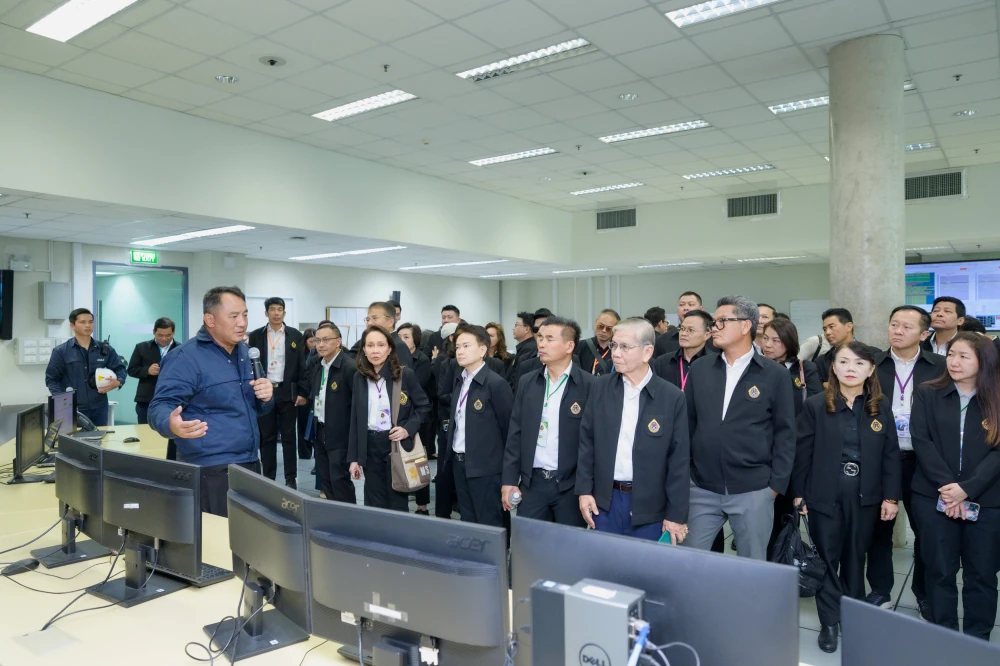
The practical application of GULF’s vision was showcased during a tour of the Control Room of the Uthai Power Plant, a Combined Cycle Gas Turbine (CCGT) facility with an installed capacity of 1,600 MW. The plant exemplifies the integration of advanced computerized control systems, enabling highly automated operations. This state-of-the-art facility requires only a few operators per shift in the control room to adjust output at the command of the Electricity Generating Authority of Thailand (EGAT) and stabilize grid fluctuations instantly.
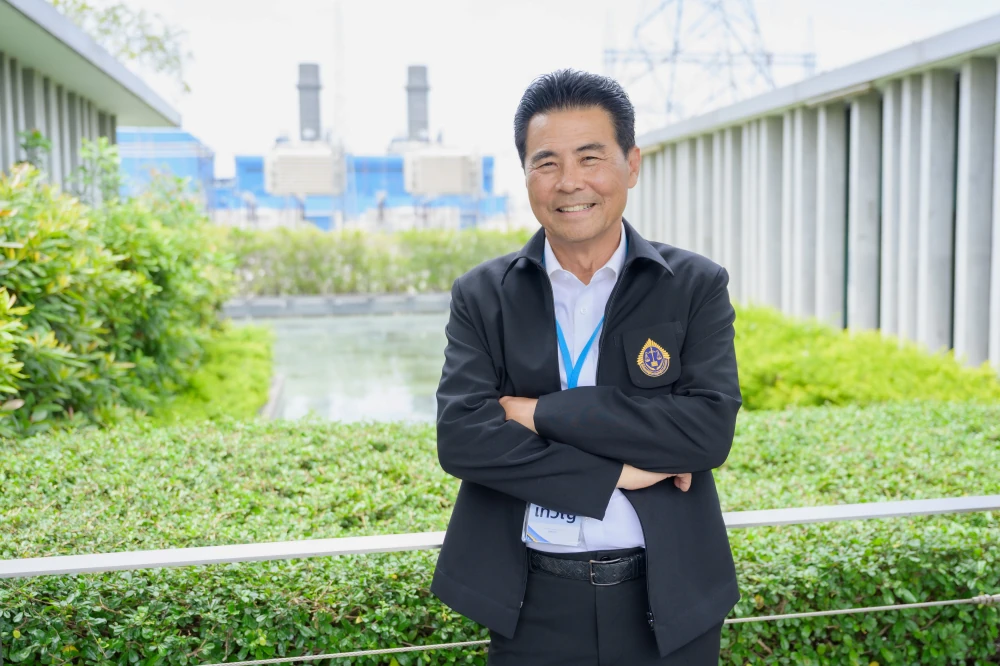
Mr. Tewan Liptapallop, Advisor to the Deputy Prime Minister, reflected after the visit, “Witnessing the scale of the Uthai Power Plant is a testament to the remarkable capabilities of Thai enterprises. GULF’s environmental mindfulness—from the strict treatment of water from the Pasak River to its plans to expand wind, hydro, and solar energy—is highly commendable. From an economic standpoint, energy security is the absolute first consideration for local and foreign investors. Excellent roads, water supply, or skilled labor mean very little without a stable and reliable power grid. Robust energy management is therefore not just about generating electricity; it is the cornerstone of investor confidence, driving economic growth and national competitiveness.”
Ms. Srirajata Dhanarajata Executive Director - Government & Corporate Relations and Natural Gas & LNG Business Development, The Shell Company of Thailand Limited, also noted, “Learning about Uthai’s CCGT technology and its highly efficient waste-heat recovery system was incredibly insightful. As the world faces severe climate challenges, private sector leaders like GULF who prioritize clean, sustainable, and reliable energy infrastructure set an excellent benchmark for driving Thailand toward its international sustainability goals.”
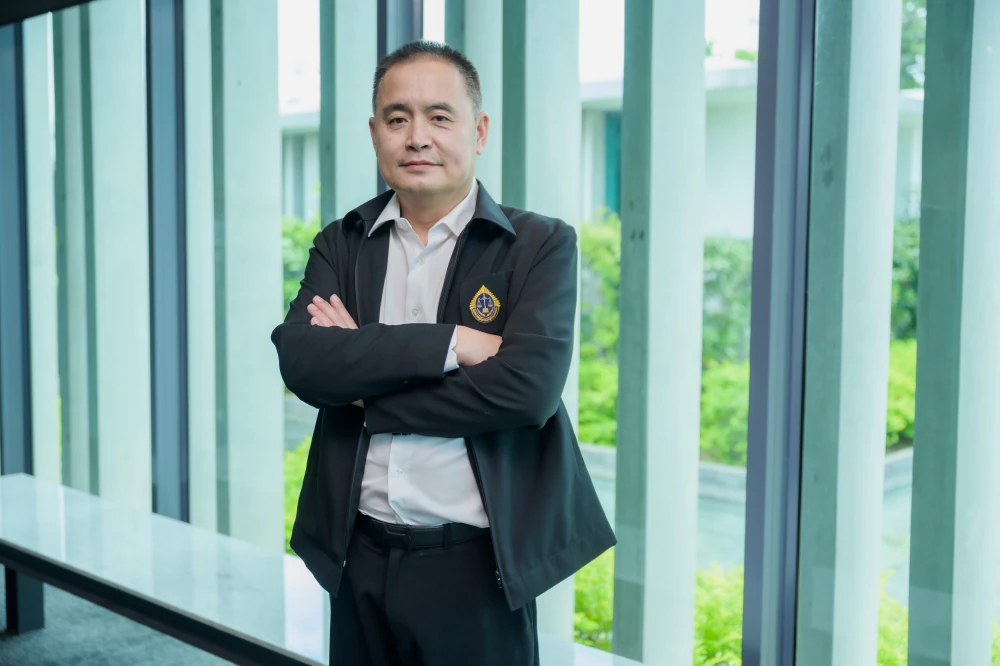
Mr. Nikorn Sirarojananon, Director-General, The Royal Forest Department, shared, “This visit demonstrated how modern energy management can seamlessly blend advanced technology, safety, and proactive environmental stewardship. It serves as an inspiring model of how national energy security and economic progress can successfully coexist with the preservation of our natural resources and the well-being of local communities.”
Ms. Kittiya Booncharoen, Managing Director of Mass Media Management Company Limited, stated, “This visit highlighted the robust potential of Thailand’s energy sector as a vital foundation driving economic growth and bolstering confidence among foreign investors. What is truly commendable is that GULF does not merely deploy cutting-edge technologies, but also places a strong emphasis on social, community, and environmental dimensions. This holistic approach effectively mitigates administrative disputes and perfectly aligns with global sustainable development pathways.”
This executive visit reflects GULF’s ongoing commitment to developing its power plants as learning centers. By inviting the public sector, private enterprises, academic institutions, and stakeholders to experience its real-world operations, GULF promotes transparency, corporate governance, and a correct understanding of energy efficiency, ultimately empowering Thailand’s sustainable economic future.
Gallery