GULF Brings Solar Energy to Ban Wung Kasang, Kamphaeng Phet Empowering young minds and fostering sustainable community growth
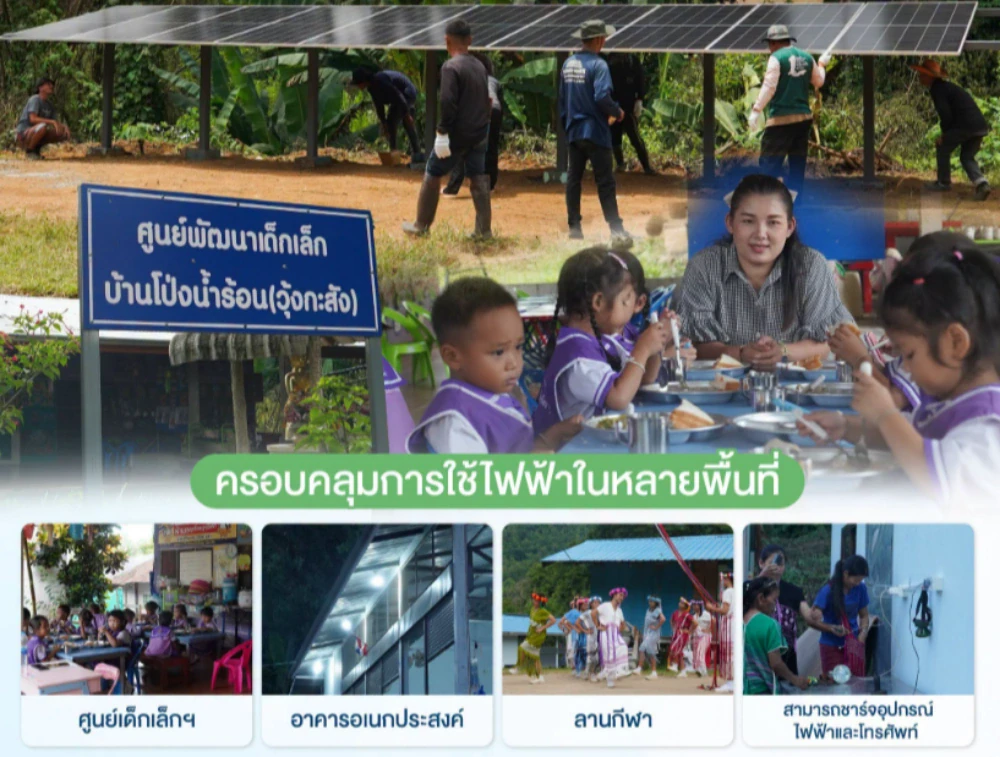
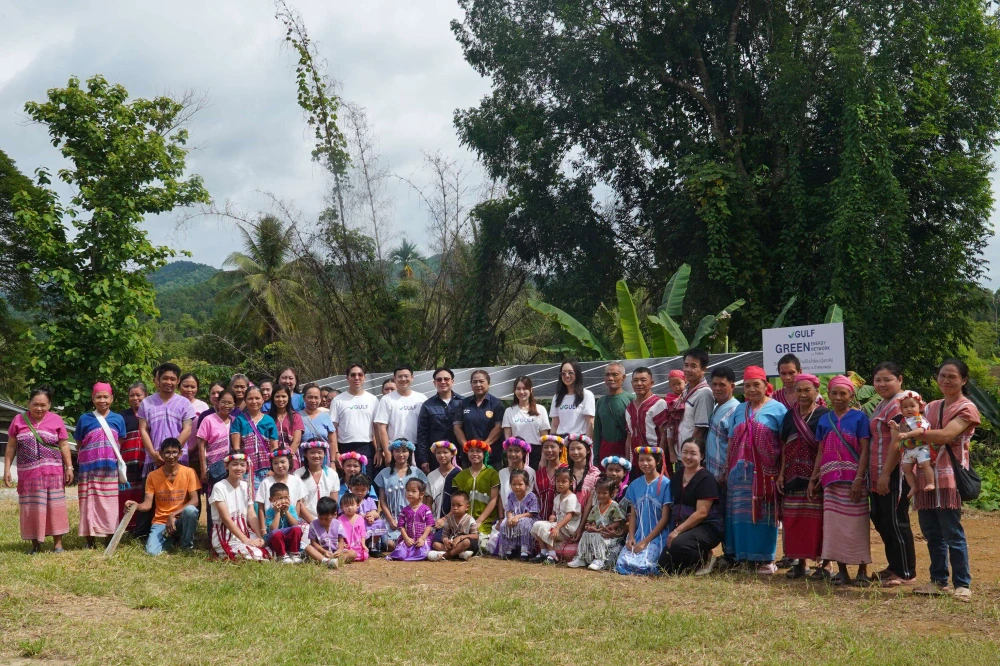
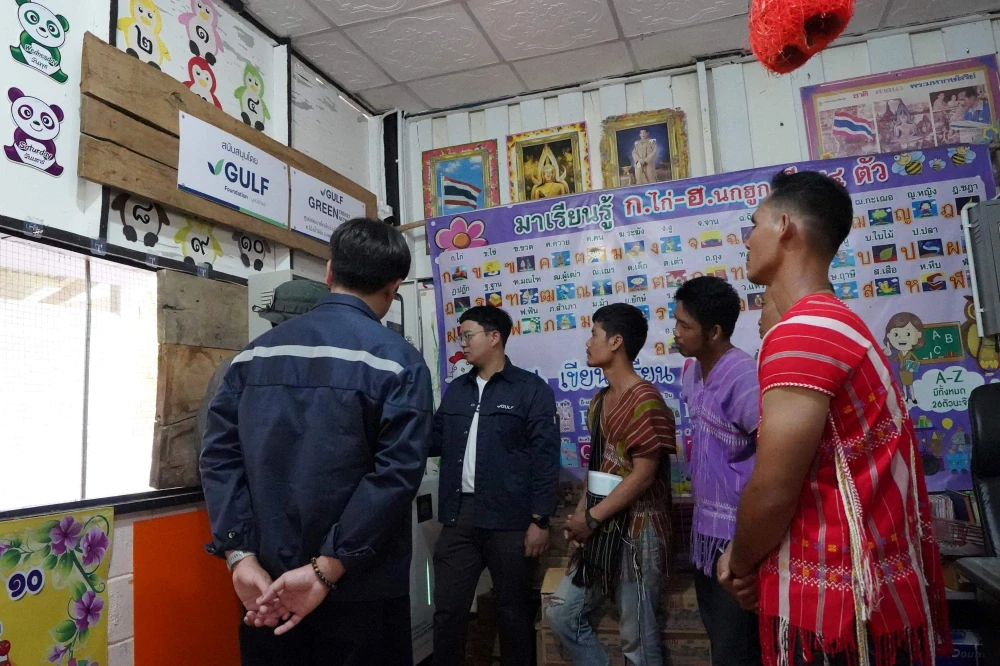
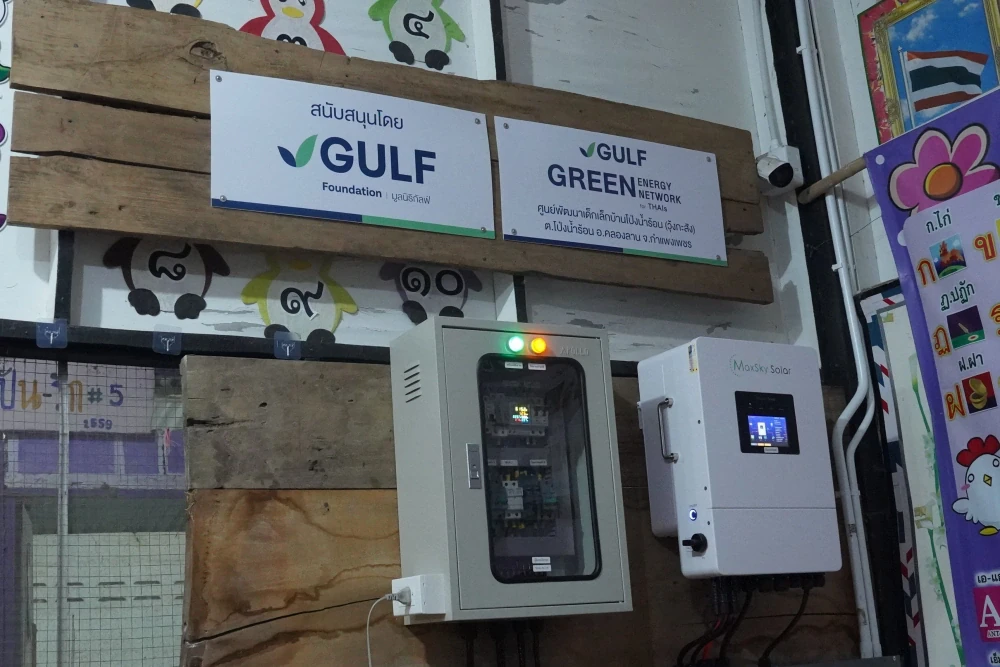
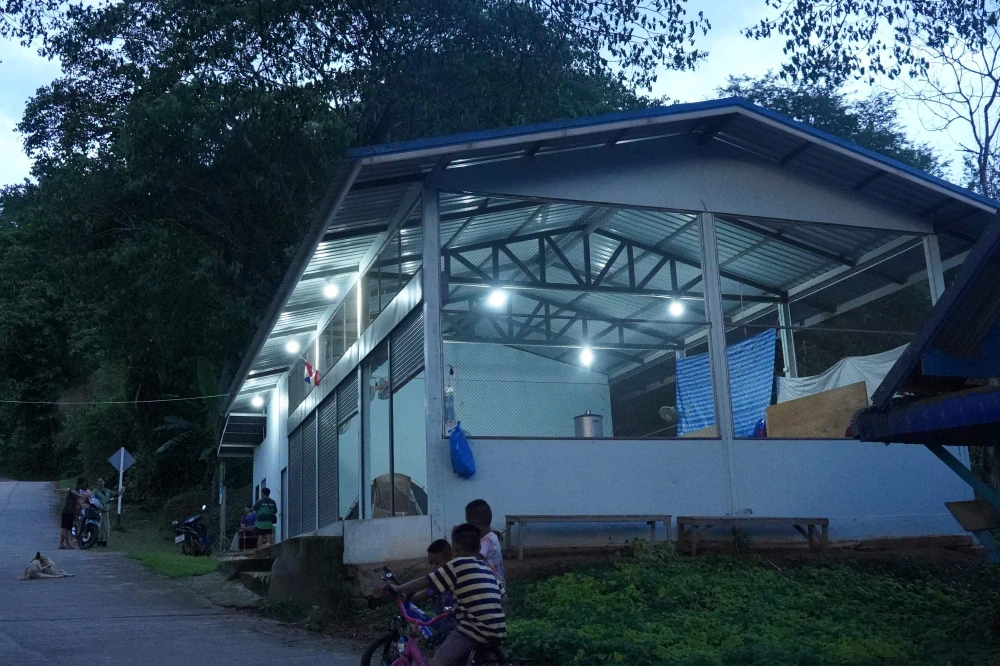
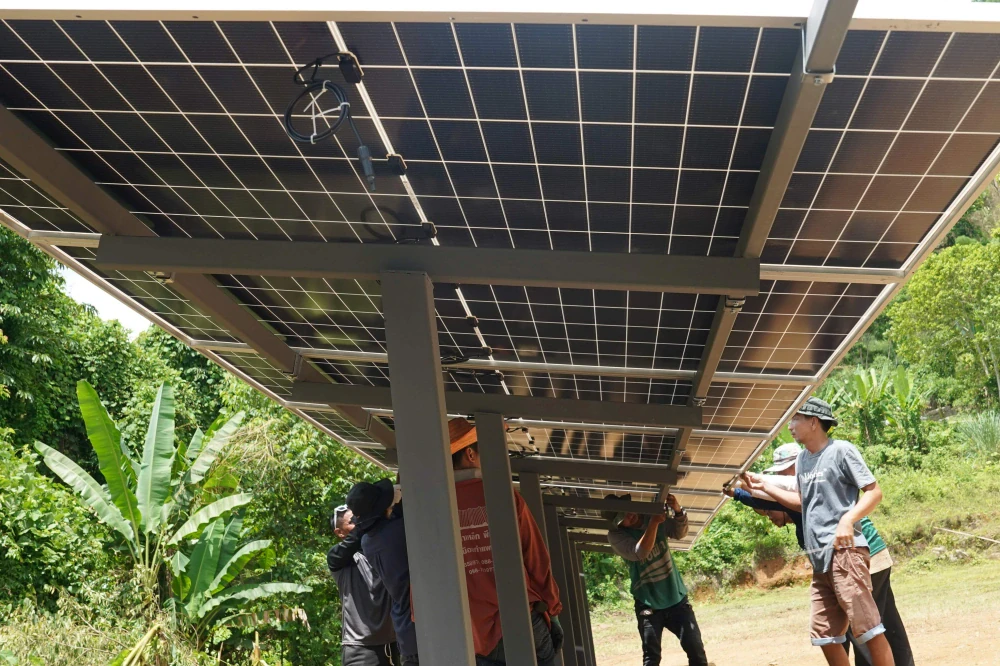
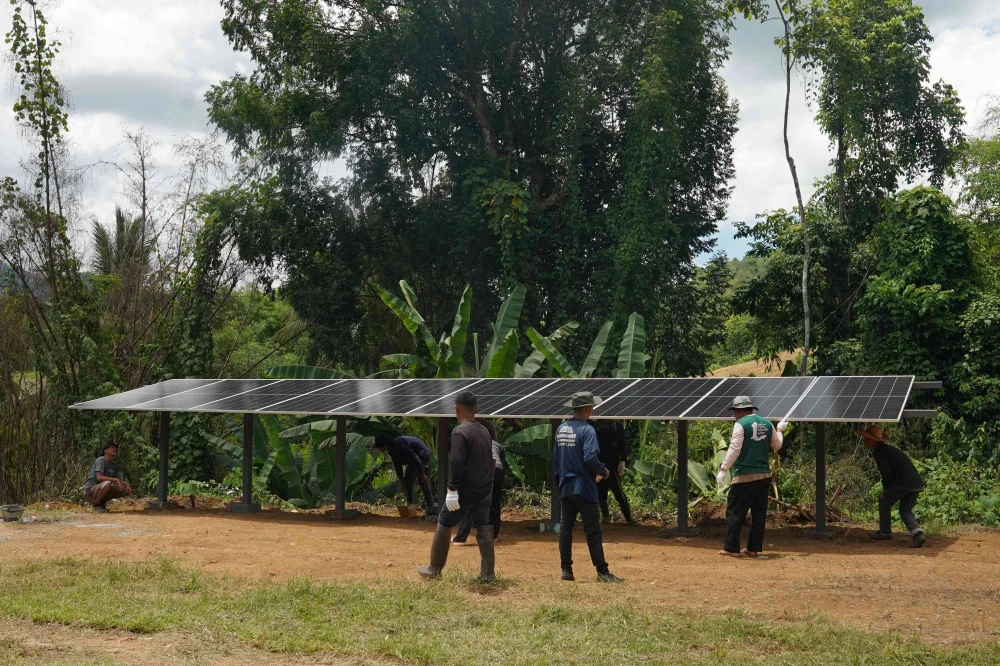
Gulf Development Public Company Limited (GULF) is writing the next inspiring chapter of its “Green Energy Green Network for THAIs” initiative. For its second milestone of 2026, the journey leads to Ban Wung Kasang—a remote village in Kamphaeng Phet province. Leveraging its expertise in renewable energy, GULF is bridging the infrastructure gap for this distant community by installing a solar power system at the Pong Nam Ron – Wung Kasang Child Development Center. This initiative goes beyond just providing electricity; it is about elevating health, ensuring safety, and unlocking educational opportunities for preschoolers. Furthermore, this clean energy network extends to the heart of the village, powering the multipurpose pavilion and sports field. By transforming these shared spaces, GULF is laying the foundation for job creation, supplemental income, and a sustainably uplifted quality of life for the entire community.
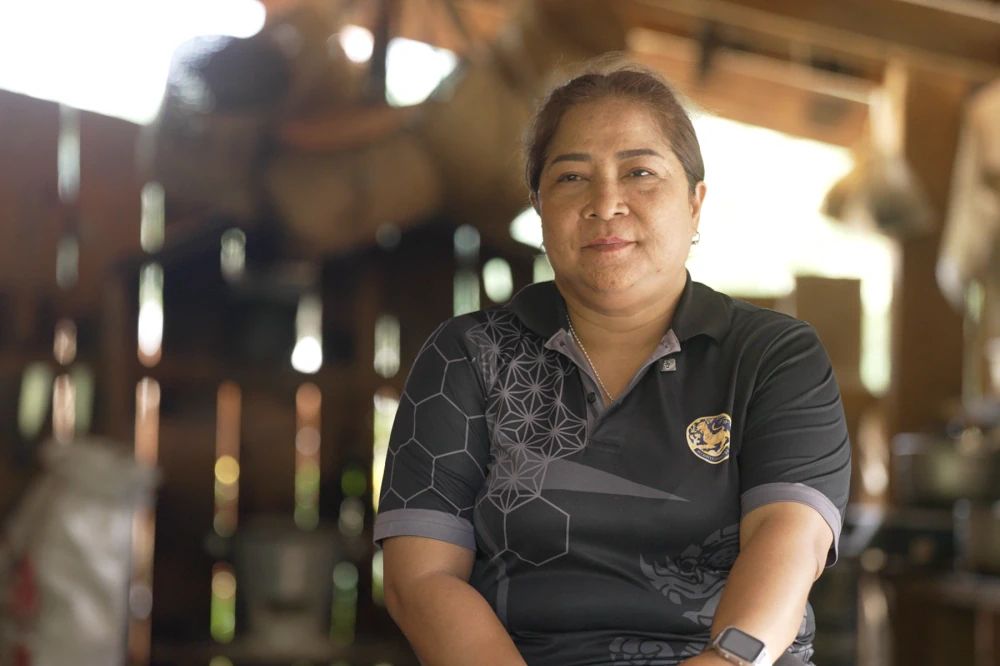
“Ban Wung Kasang is a time-honored Pgakenyaw community, nestled deep within the western valleys of Khlong Wang Chao National Park,” explains Ms. Duangjai Joomongkol, the Village Headman.
Home to roughly 357 residents across 110 households, the village relies heavily on agriculture and livestock. Yet, for generations, they have lived off the grid. “When night falls, we rely on the flickering light of candles or resin torches. While a few homes have basic solar cells just for lighting, powering communication devices or agricultural tools is a different story. Our people had to travel over six kilometers to neighboring villages just to charge their equipment—costing them both money and precious time away from their livelihoods,” Ms. Duangjai shares.
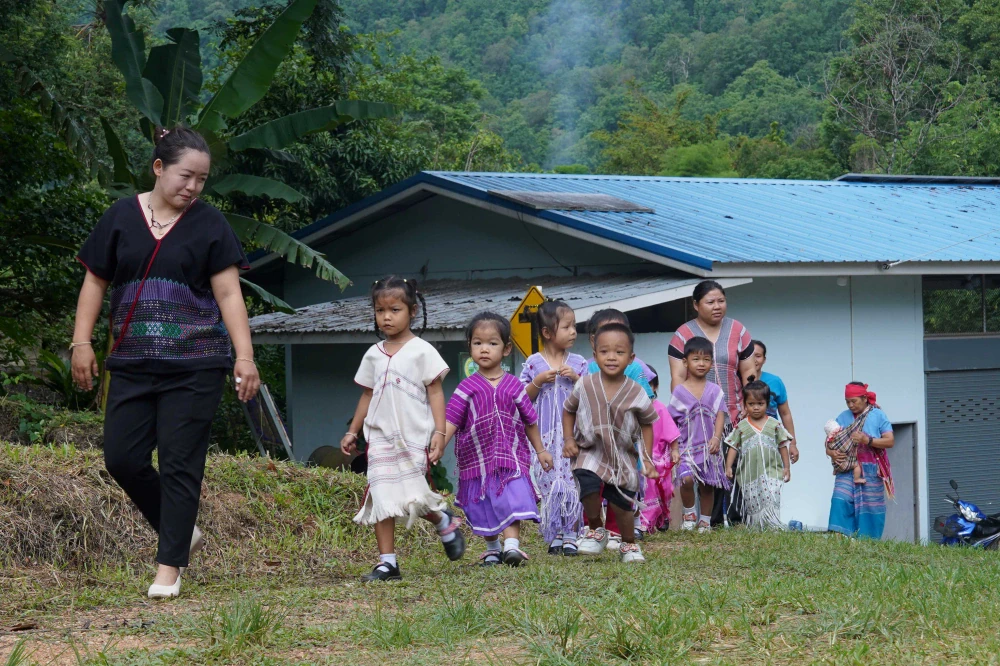
The village’s Child Development Center faced a similar plight. With its old solar system degraded over time, the lack of electricity cast a shadow over the children's learning and development.
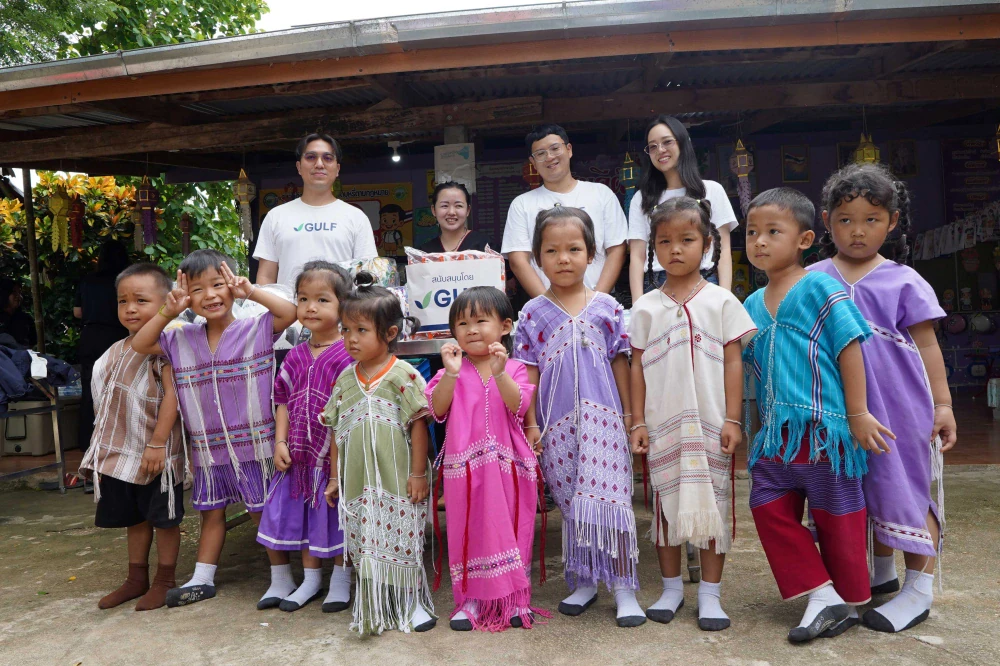
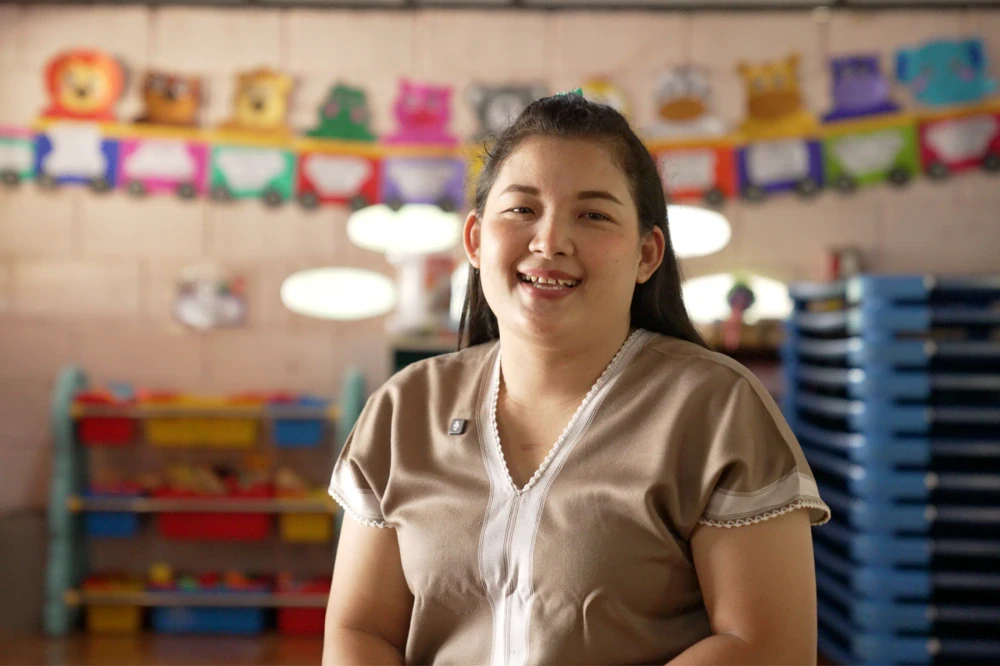
“We care for 13 children here, ranging from 2 to 5 years old," says Ms. Wararat Puteu, a dedicated teacher at the center. "This is a crucial age for cognitive development, but without sufficient electricity, we were cut off from the modern educational media that children in the city enjoy.”
Driven by a passion to keep her students engaged, Ms. Wararat turned to handmade alternatives. “Since we couldn't print materials or play educational videos, we made do with what we had. We folded origami, painted, tore paper, and transformed recycled plastic bottles into learning toys. A child's curiosity simply cannot wait.”
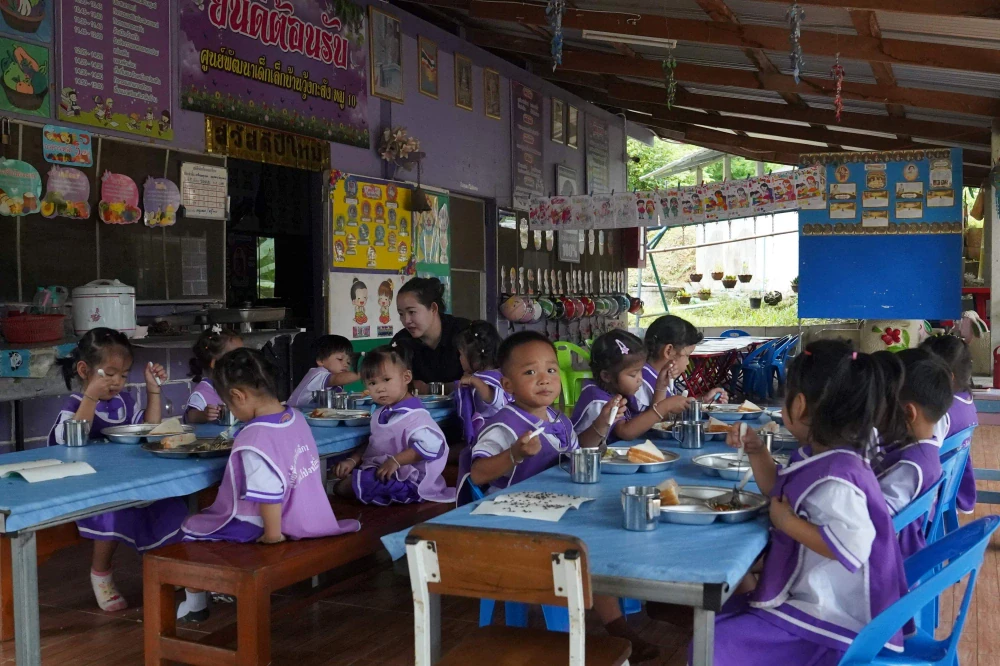
The lack of power also impacted the children’s daily well-being. On cloudy days, classrooms grew dim, forcing teachers to move activities outdoors to protect the kids’ eyesight. During the rainy season, electricity had to be strictly rationed for nap times—powering small fans to keep the heat at bay and ward off mosquitoes, a known carrier of malaria. Crucial safety equipment, including CCTV cameras and the emergency radio—the only lifeline to parents—were rendered useless.
“GULF’s arrival has been a monumental turning point for our center,” Ms. Duangjai beams.
With reliable electricity, teachers can now integrate modern media into their lessons, tailoring education perfectly to the children's developmental needs. The environment has transformed into a safe, comfortable haven. Brightly lit rooms, working fans, and active CCTV cameras bring immense peace of mind to both educators and parents. “This clean energy from GULF is like a newly opened door of opportunity, ensuring that our children in this remote area receive the equal, quality education they deserve.”
The ripple effect of this light extends far beyond the classroom. Ms. Duangjai notes that GULF's intervention tackled the root of their struggles.
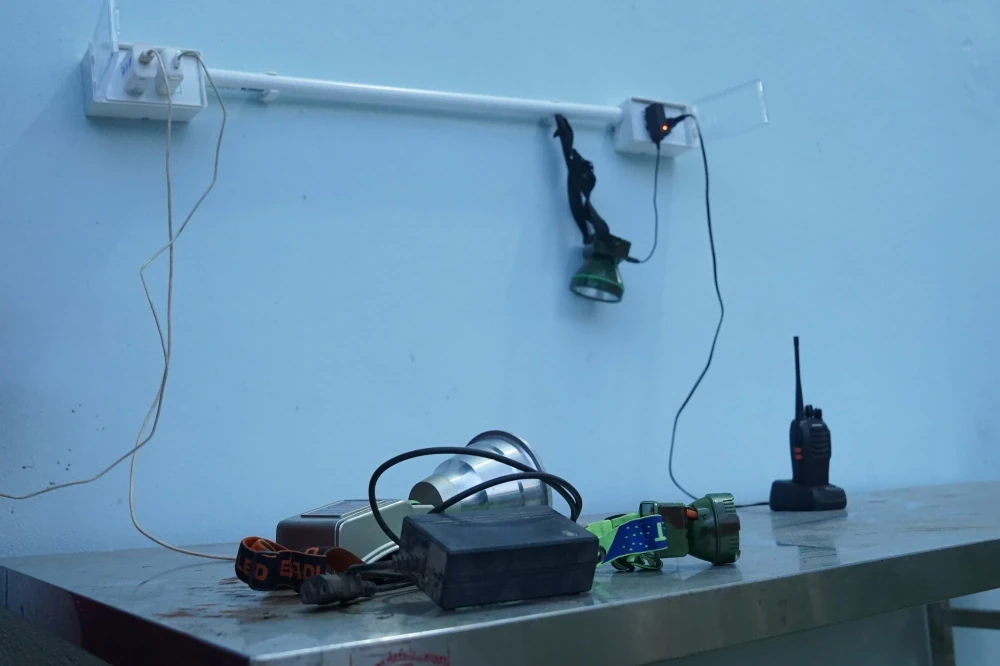
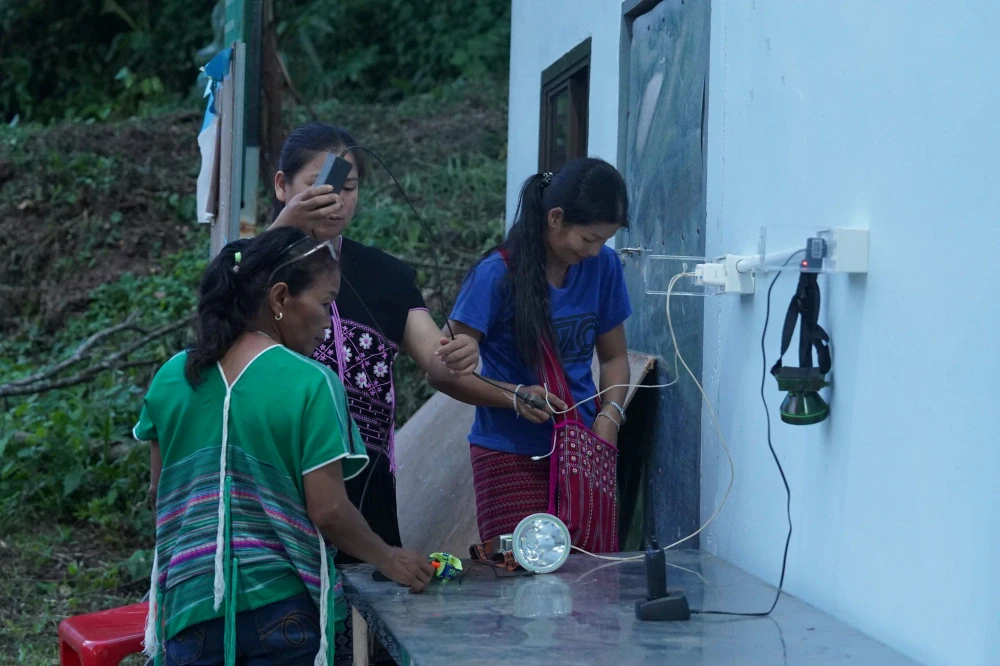
“The power flows directly to our village pavilion and sports field. Now, our people can gather day and night for meetings and activities. More importantly, we now have a local charging station for our phones and farming tools, saving us the grueling trips and expenses of the past.”
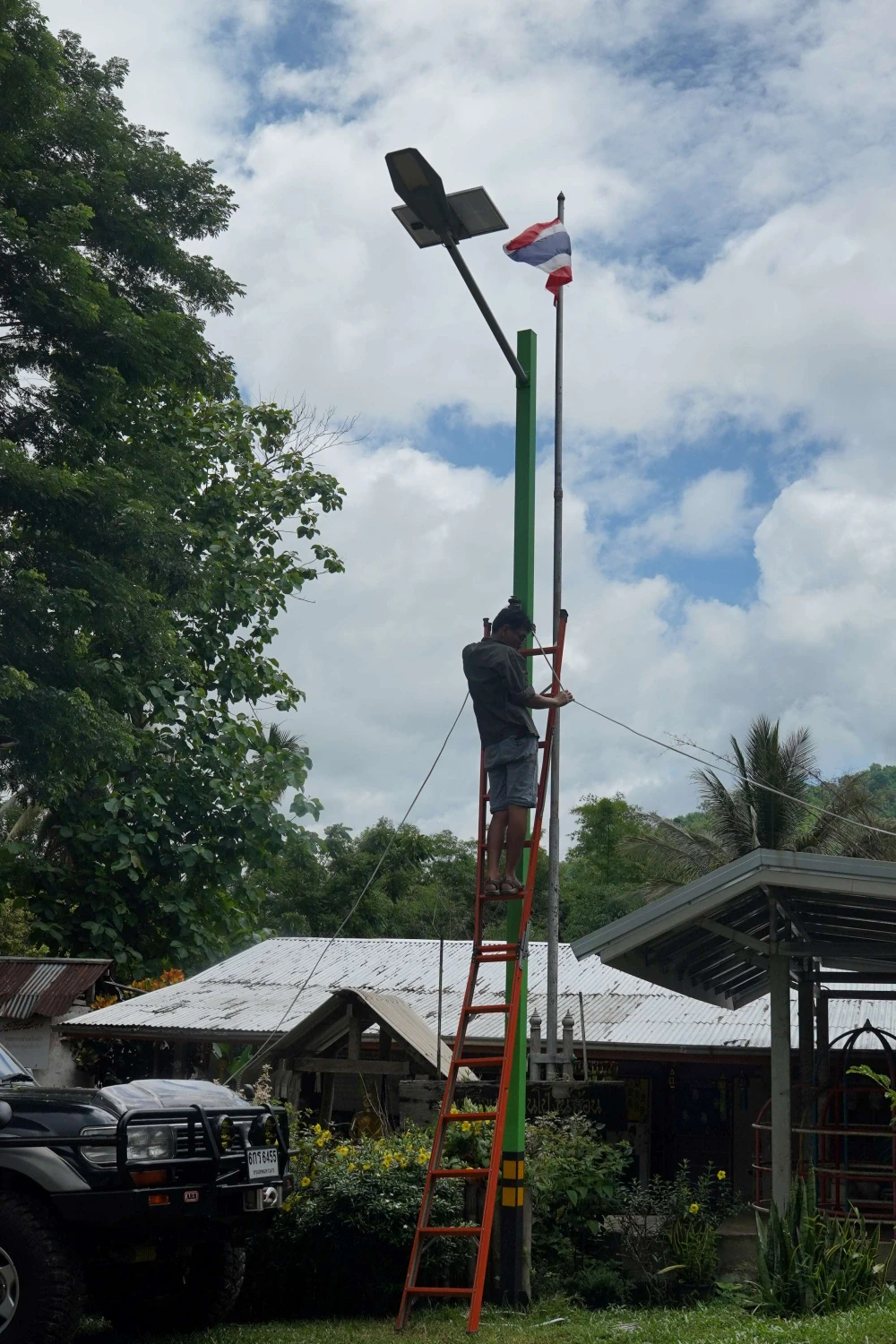
The well-lit village center has also sparked new economic life. Under the glow of solar-powered lights, villagers can now gather in the evenings to weave fabrics and craft basketry, generating vital supplementary income for their families. “On behalf of Ban Wung Kasang, I want to express our deepest gratitude to GULF. Because of them, our children have a brighter educational future, and our community finally has the power to build a better life.”
Over the past three years, GULF's "Green Energy Green Network for THAIs" has become a beacon of hope. By delivering clean solar energy to over 13 remote locations nationwide—from high mountain peaks and distant islands to borderlands—GULF has sustainably illuminated and uplifted the lives of more than 8,000 people.
Gallery