GULF Unveils Vision on “Clean Energy & Data Centers” to Fuel Thailand’s Digital Growth in AI Era at Bangkok Business Summit 2026
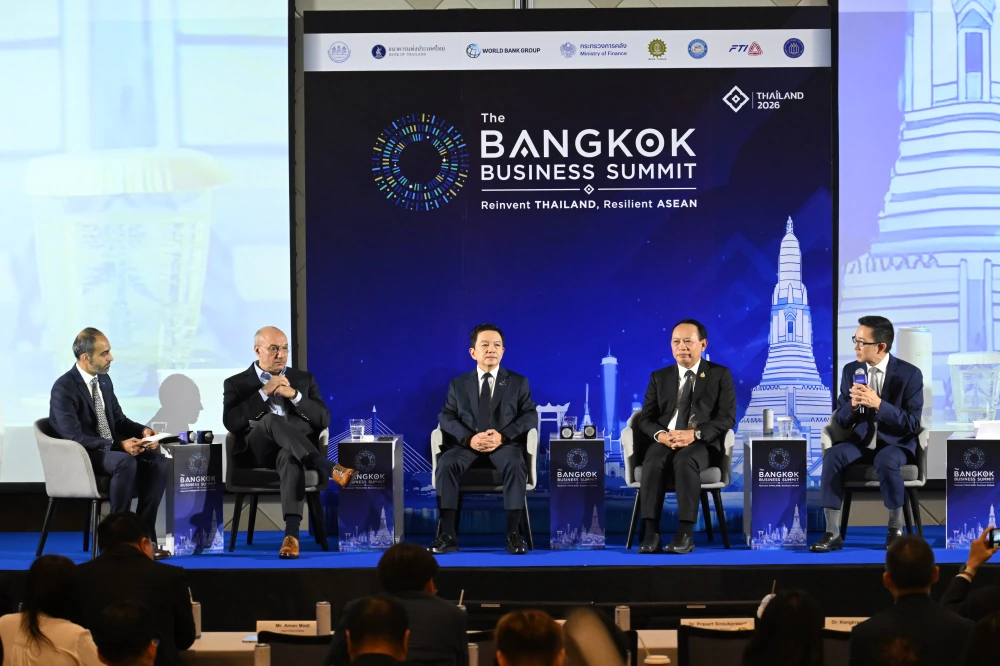
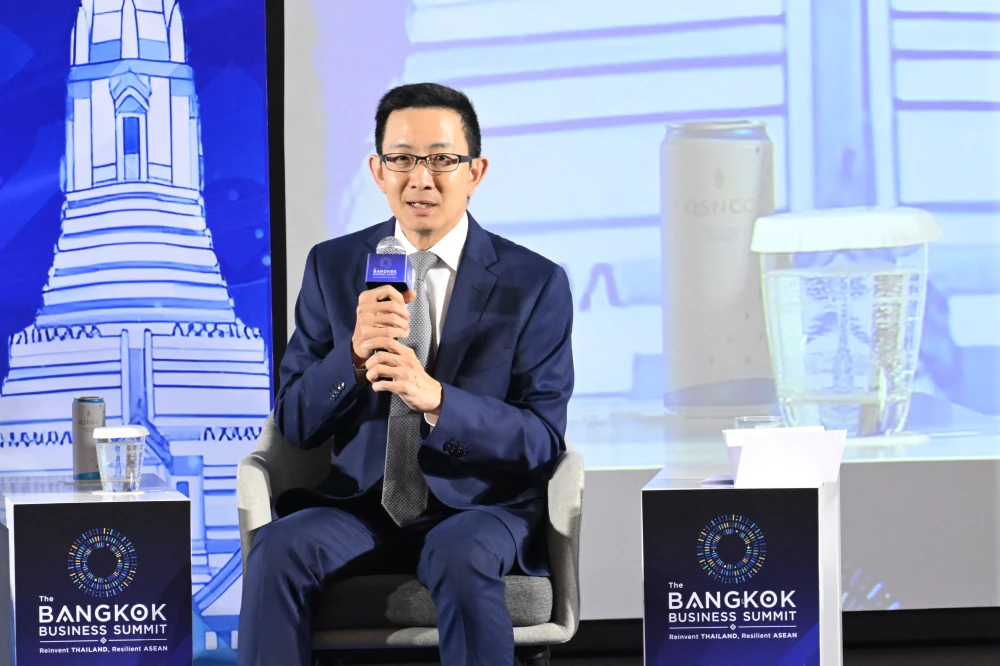
Gulf Development Public Company Limited (GULF) reinforced its leadership in energy and digital infrastructure as Mr. Smith Banomyong, Chief Strategy Officer, joined a high-level panel discussion at the Bangkok Business Summit 2026. Speaking on the topic “Powering Thailand’s Next Growth Cycle: Efficient Energy & Low Carbon Infrastructure,” Mr. Banomyong outlined GULF’s strategic vision to integrate renewable energy with digital infrastructure, equipping Thailand’s economy to sustainably harness the exponential growth of Artificial Intelligence (AI).
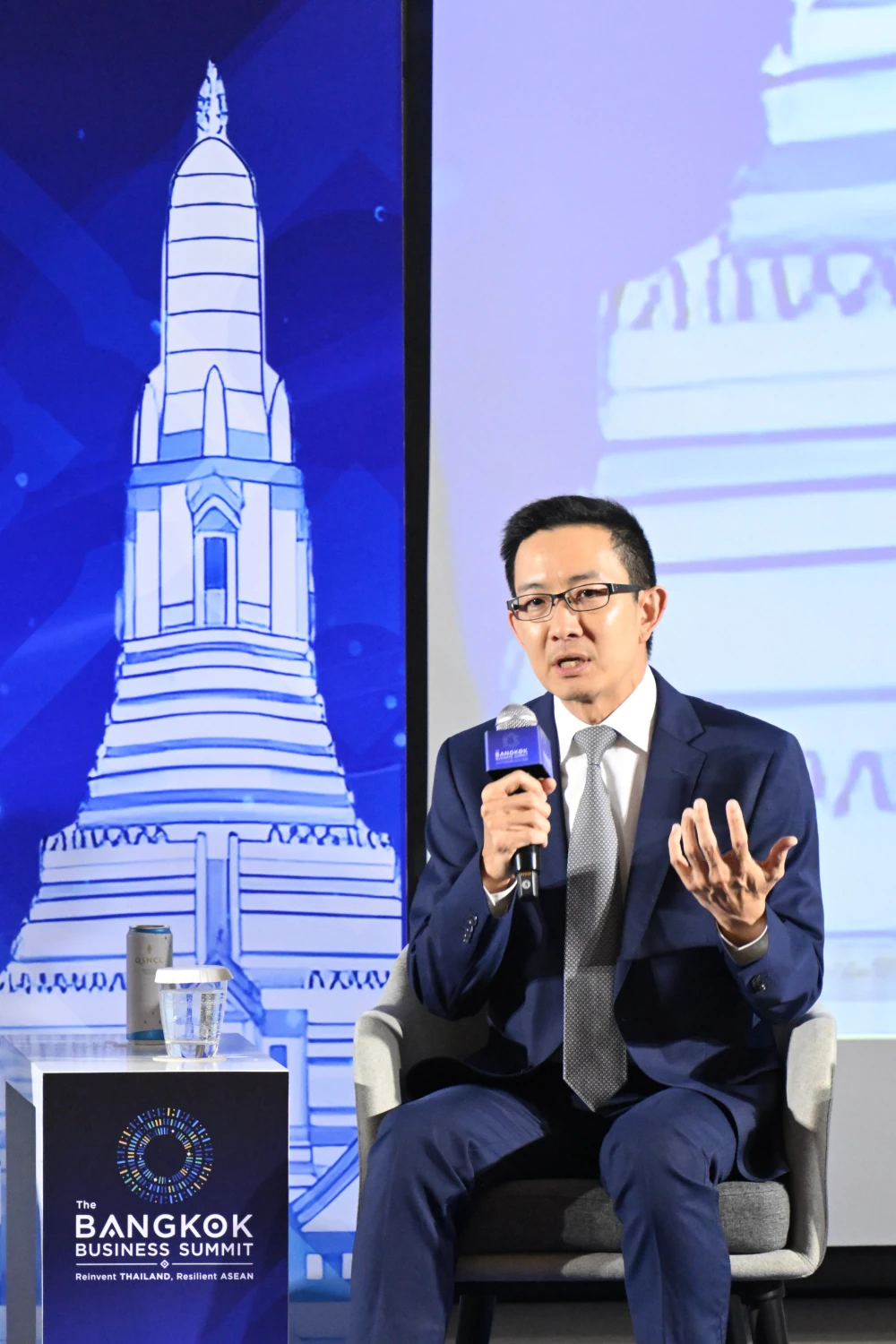
Mr. Banomyong emphasized that amid rapid advancements in AI technology, data centers serve as the “oil refineries of the digital economy.” While Thailand may not generate all raw digital resources natively, hosting localized data processing and storage infrastructure is critical to capturing domestic value-added benefits and mitigating Thailand’s massive digital service account deficit, which reached approximately US$1 billion per month during the COVID-19 pandemic. Establishing robust domestic digital infrastructure ensures capital circulates within the local economy rather than leaking outward as foreign service fees. As national AI adoption accelerates exponentially, domestic digital readiness serves as an indispensable cornerstone for Thailand’s long-term economic security.
GULF’s strategic vision extends beyond merely laying physical foundations. The company is actively working in close collaboration with world-leading partners to introduce high value-added activities to Thailand, responding to surging demand from major domestic enterprises and global hyperscalers. Currently, GULF operates 25 MW of data center capacity, with an additional pipeline of nearly 100 MW under development. GULF is fully prepared to accelerate investments across both data centers and associated clean energy ecosystems, perfectly aligned with the country's upcoming Power Development Plan (PDP 2026), which places renewable energy at its core.
Addressing public inquiries regarding safety and on-site emergency fuel storage, Mr. Banomyong clarified by explaining that data centers are essentially advanced, climate-controlled facilities dedicated to housing computing hardware and servers. Regarding the storage of diesel fuel for backup generators, he noted that this follows standard industrial safety and engineering protocols identical to those used in major public facilities, shopping complexes, convention centers, and hospitals. Just as critical medical facilities require 24/7 uninterrupted power to ensure life-saving operations, data centers demand continuous energy reliability. When understood through this operational reality, data center facilities adhere strictly to rigorous international safety standards on par with other critical urban infrastructure.
GULF identifies the implementation of Direct Power Purchase Agreements (Direct PPA) as a crucial mechanism. Direct PPAs empower private sector investment in utility-scale solar and wind projects to supply green electricity directly to data centers. This approach not only meets the stringent clean energy requirements of international technology players, but also propels the country toward its broader Net Zero greenhouse gas emissions targets.
Regarding public policy, Mr. Banomyong highlighted that regulatory clarity and policy consistency are the most critical determinants for private sector confidence in long-term strategic planning and capital allocation. GULF stands fully prepared to work hand-in-hand with government agencies to establish Thailand as a resilient regional hub for digital infrastructure and clean energy.
The Bangkok Business Summit 2026 was organized under the theme ‘Reinvent Thailand, Resilient ASEAN’ through the collaborative efforts of the Joint Standing Committee on Commerce, Industry and Banking (JSCCIB)—comprising the Thai Bankers' Association, the Board of Trade of Thailand, and the Federation of Thai Industries—alongside the Ministry of Finance, the Bank of Thailand, the National Economic and Social Development Council (NESDC), and the World Bank. Held at the Queen Sirikit National Convention Center (QSNCC), the summit served as a pivotal platform to present private sector policy recommendations to the Thai government and global investors (FDI), driving Thailand toward high-income nation status ahead of the landmark IMF-World Bank Group Annual Meetings 2026.