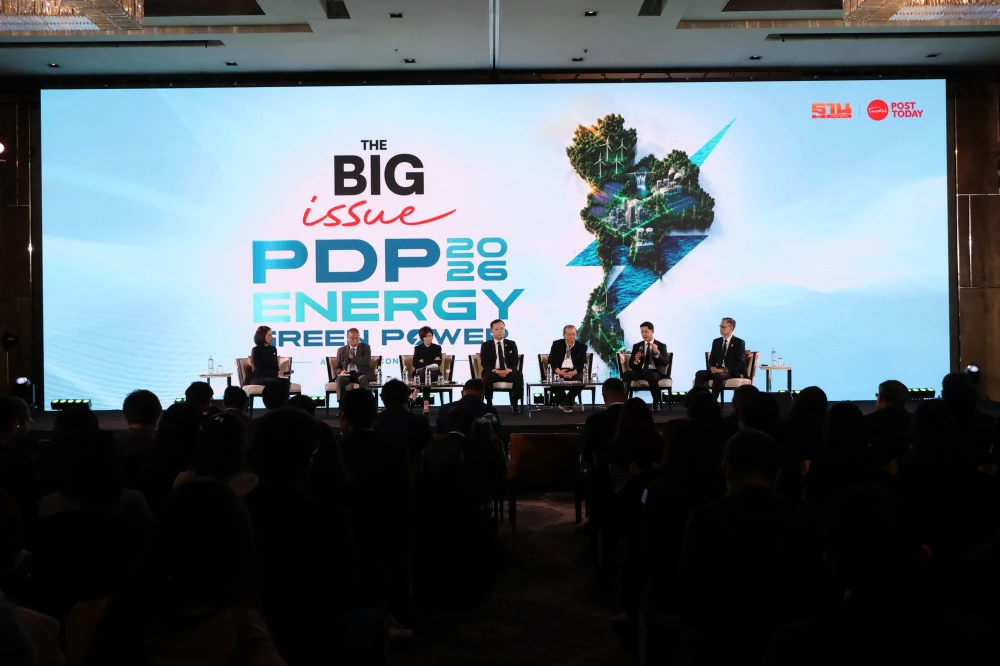
GULF Supports PDP 2026, Expanding Energy Choices and Capitalizing on Direct PPA and Data Center Opportunities
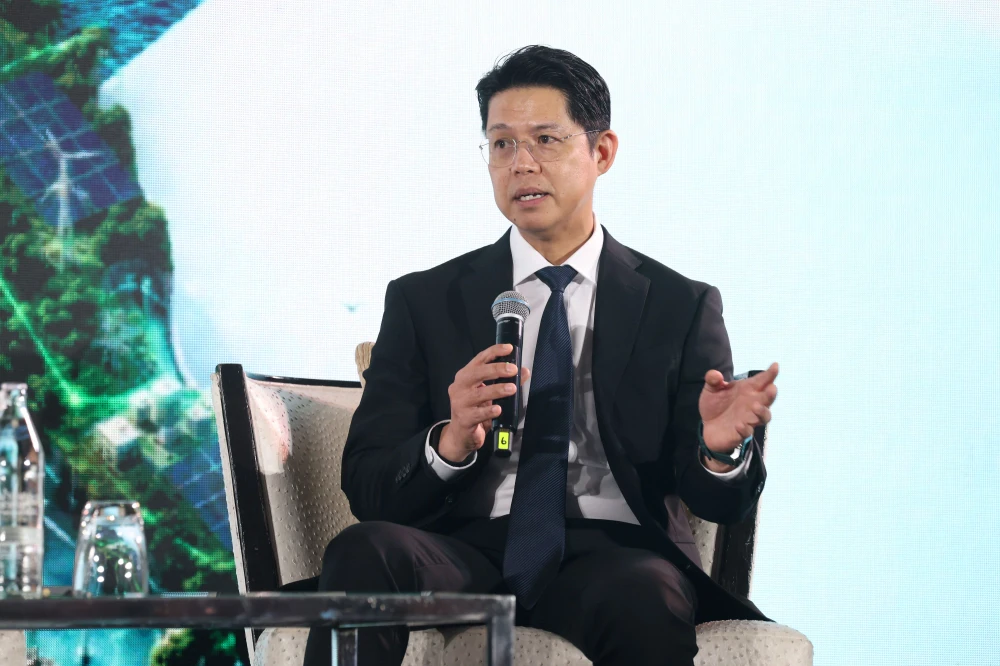
GULF welcomes the direction of Thailand’s new Power Development Plan 2026 (PDP 2026), which aims to enhance flexibility in the power sector and empower electricity consumers to play a greater role in the energy ecosystem. The company sees significant opportunities arising from Direct Power Purchase Agreements (Direct PPAs), the rapid growth of data centers, and the broader transition toward cleaner energy. At the same time, GULF encourages the government to accelerate regulatory reforms and related infrastructure development to foster greater competition and facilitate private sector investment.
Mr. Chaichawin Tantiyakul, CEO - ASEAN Power Group, Gulf Development Public Company Limited (GULF) joined the panel discussion at BIG ISSUE: PDP 2026 ENERGY GREEN POWER – Transforming Thailand’s Energy Landscape into a Green Manufacturing Hub. He noted that the draft PDP 2026 represents an important milestone for Thailand’s energy sector, as it provides businesses and investors with greater visibility into the country’s long-term electricity demand and supply outlook over the next 12 and 24 years. Such visibility will enable more effective investment planning and strengthen long-term energy management across the country.
The draft plan also reflects a more open and participatory energy landscape, allowing consumers to take on a larger role within the power system. This includes the emergence of “prosumers”, who can both generate and consume electricity, as well as the introduction of Direct PPAs, which allow power producers to sell electricity directly to end users rather than solely through the traditional grid-based framework.
As an integrated energy infrastructure company, GULF views these structural changes as creating multiple avenues for future growth. Opportunities may arise through conventional power generation for the national grid, Direct PPA arrangements, or other innovative business models that could emerge as the energy market continues to evolve.
At the same time, GULF believes that realizing the full benefits of energy liberalization will require additional enabling mechanisms. In particular, the development of smart grid infrastructure will be essential to facilitate efficient electricity transactions between producers and consumers. Clear and practical policies governing Direct PPAs will also be critical to providing certainty for investors and supporting the sector’s long-term development.
GULF further believes that future Direct PPA frameworks should remain open to a broader range of energy sources, rather than being limited exclusively to renewable energy. Different energy technologies have varying cost structures and operational constraints, and a well-balanced energy mix will be key to achieving sustainability, reliability, and cost competitiveness simultaneously.
Meanwhile, the company continues to closely monitor developments surrounding the Third-Party Access (TPA) framework, which would allow greater use of electricity transmission networks by third parties. GULF believes that TPA charges should be transparent, equitable, and applied under consistent principles for all market participants. Such an approach would support fair competition and strengthen investor confidence in Thailand’s evolving energy market.
The company also views broader regulatory and licensing reform as an important component of Thailand’s energy transition. While progress has been made in certain areas, such as simplifying procedures related to solar power installations, further improvements remain necessary. Updating regulations to reflect today’s evolving energy landscape would help unlock greater participation from both private sector players and consumers, allowing them to take a more active role in producing, purchasing, and managing electricity.
Regarding the government’s proposed screening mechanism for data center projects, GULF considers the initiative a positive step that will help ensure Thailand derives meaningful economic benefits from incoming investments. The framework can help assess projects based on factors such as power demand, water usage, environmental considerations, and overall contributions to the national economy. It could also help mitigate the risk of “ghost demand”, where announced demand projections do not translate into actual investment.
With respect to meeting the energy requirements of data centers, GULF believes that the optimal solution will involve a balanced combination of clean energy and reliable power sources capable of ensuring system stability. The appropriate mix will depend on electricity pricing, policy frameworks, and the level of competitiveness required by investors and data center operators.
Mr. Chaichawin added that regardless of which PDP scenario is ultimately adopted, the private sector continues to see significant opportunities arising from Thailand’s growing power generation requirements. However, he noted that long-term demand forecasts are inherently based on today’s technologies and assumptions, while future developments in digital technology, artificial intelligence (AI), advanced energy systems, carbon capture technologies, and other innovations may significantly reshape energy demand and supply patterns over time.
“Continuous monitoring and periodic reviews of the PDP will be essential to ensure that Thailand remains adaptable to emerging technologies and new opportunities. This will help the country strike the right balance between energy security, economic competitiveness, and sustainable long-term growth,” Mr. Chachawin said.