GULF Brings Clean Energy to Ban Laem Nao under ‘Green Energy Green Network for THAIs’ Powering Better Lives and Revitalizing Community Tourism in Ranong
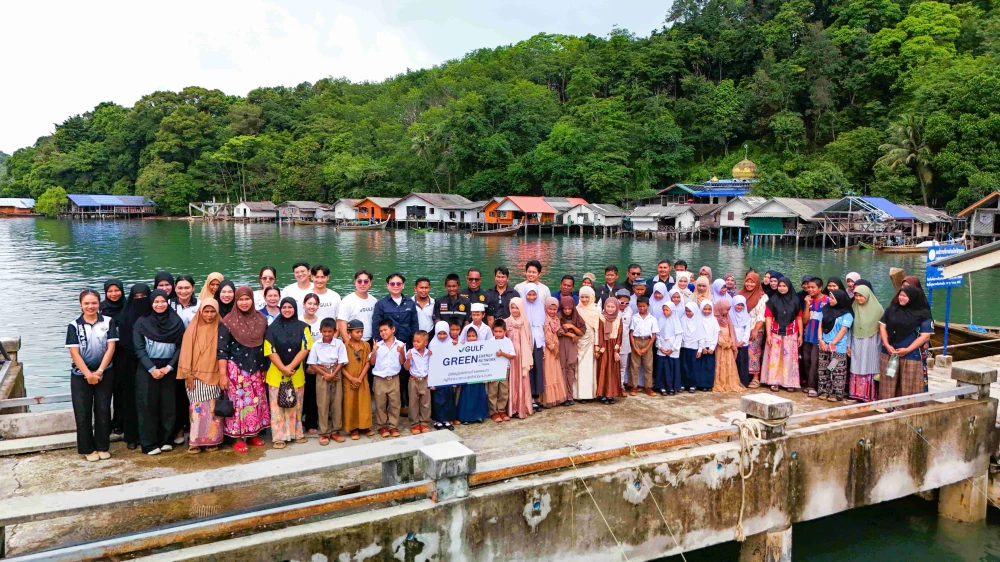
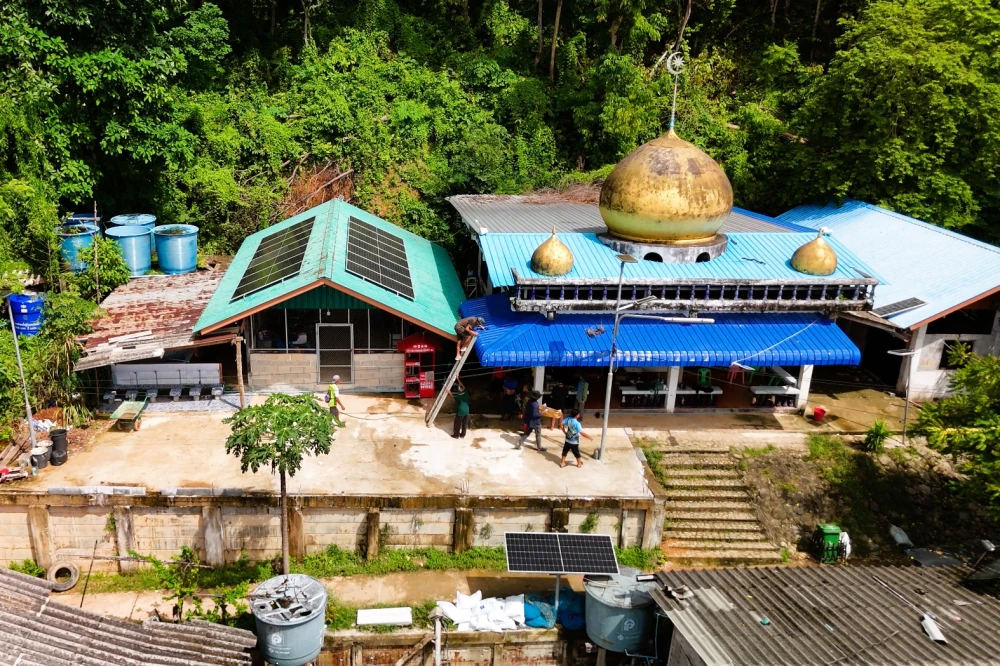
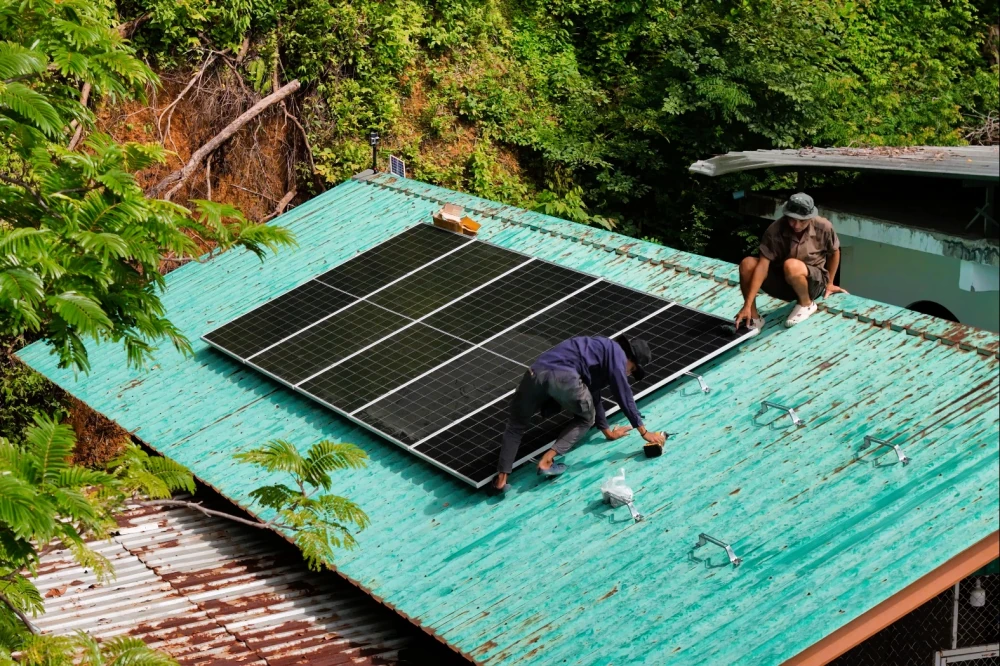
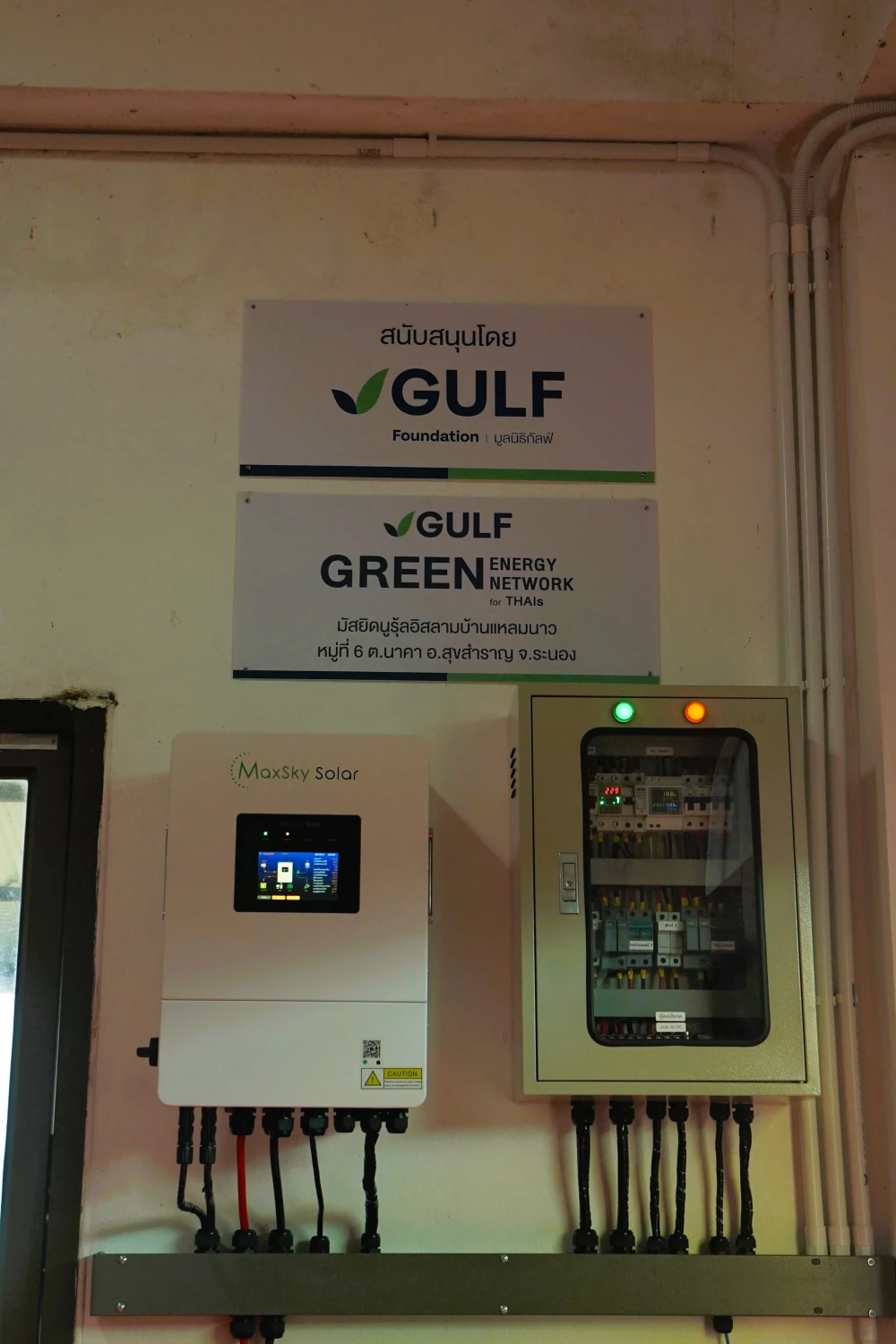
Gulf Development Public Company Limited (GULF) continues to reinforce its commitment to building a strong foundation for a sustainable future by leveraging its expertise in renewable energy to expand access to essential electricity services in remote communities. Under the “Green Energy Green Network for THAIs” initiative, GULF has supported the installation of a solar power system in Ban Laem Nao, Naka Subdistrict, Suk Samran District, Ranong Province, marking the initiative’s third project location in 2026. The project aims to address the community’s limited access to basic utilities by providing greater access to reliable electricity, while also supporting education and helping revitalize community-based tourism and homestay businesses for sustainable growth.
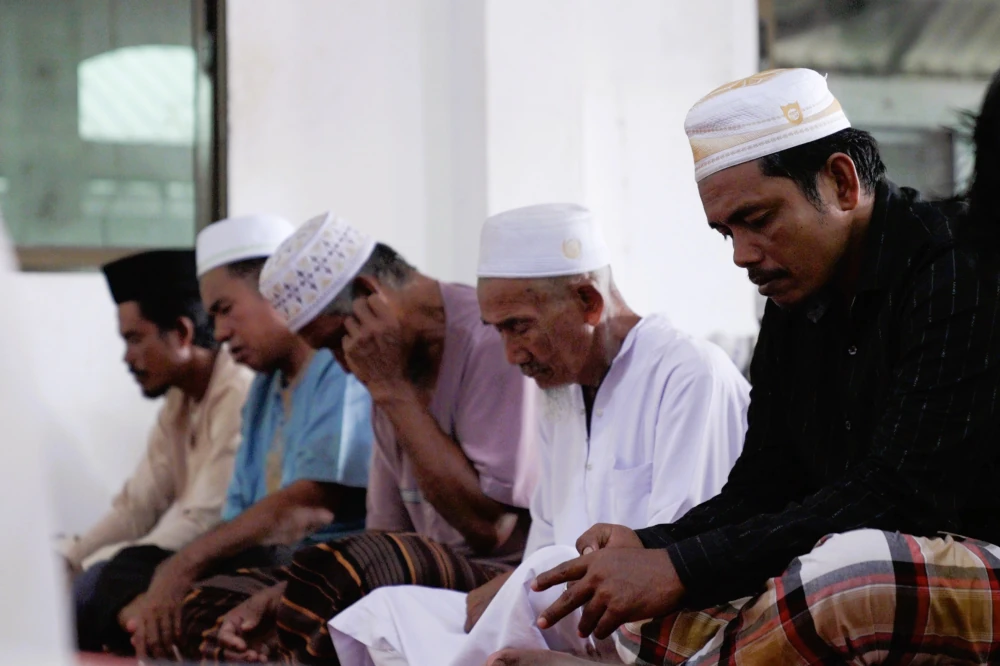
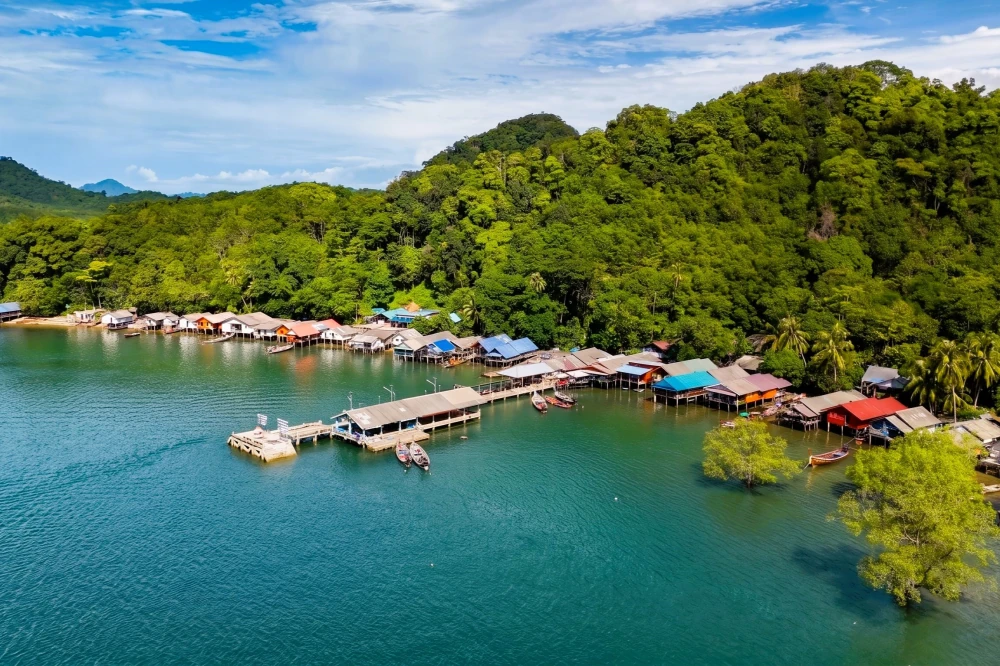
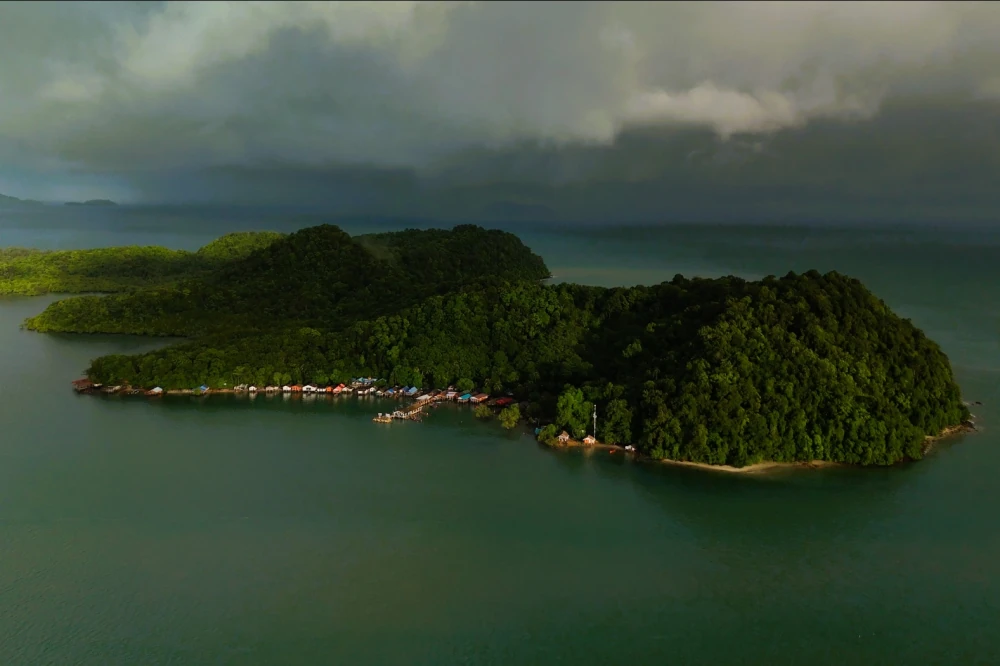
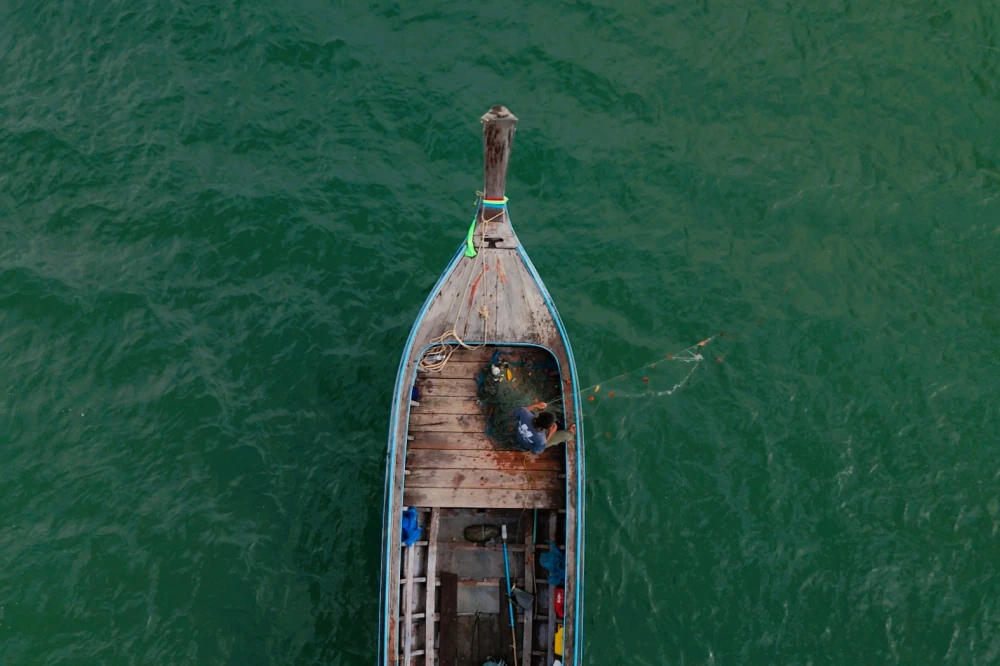
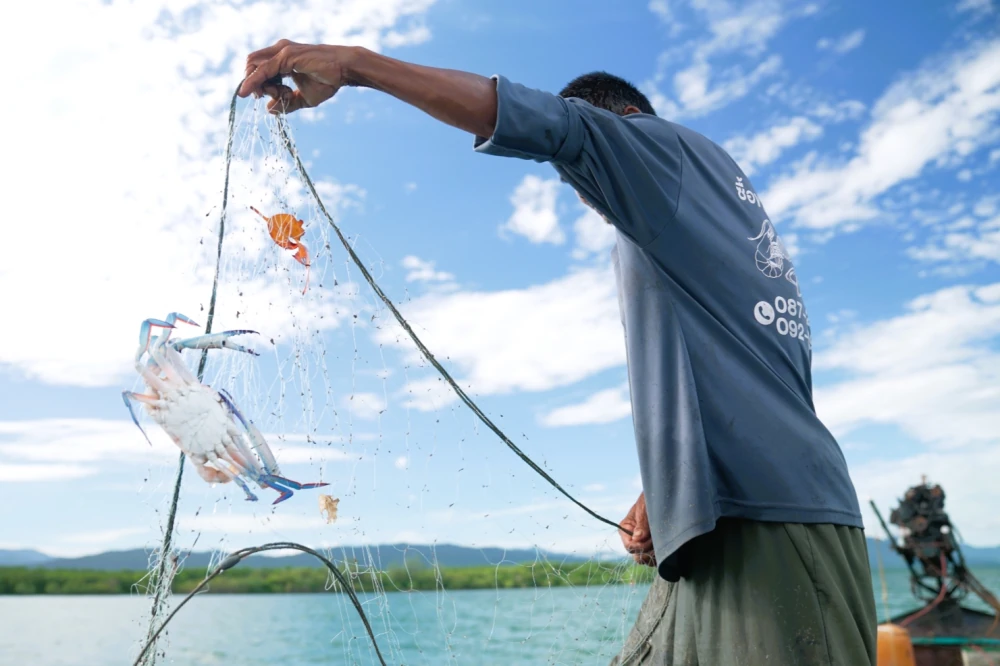
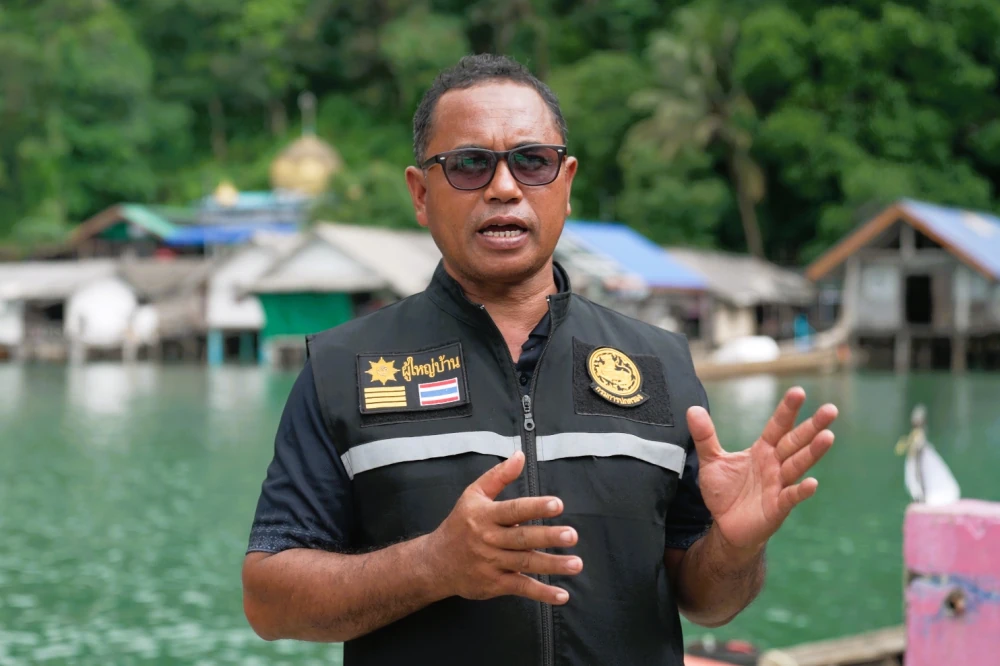
Mr. Pichet Phakdee, Village Headman of Moo 6, Ban Laem Nao, Naka Subdistrict, Suk Samran District, Ranong Province, explained that Ban Laem Nao is a Thai Muslim community with a history spanning more than 300 years. Located within Laem Son National Park, the village sits on a long stretch of land extending more than 10 kilometers along the Andaman coastline. Today, the community is home to approximately 57 households and 236 residents. Nurul Islam Mosque serves as the spiritual and community center, while Ban Laem Nao Primary School provides education for 38 students. Most residents rely on small-scale fishing for their livelihoods, heading out to sea at night in small long-tail boats to set nets and fishing lines before selling their catch to traders on the mainland the following morning. Some residents also engage in agriculture, including stink bean and rubber farming.
Due to the village’s remote location away from the mainland, access to electricity has long been a challenge. The community previously relied on a shared 5-kilowatt gasoline-powered generator supplying electricity to approximately 42 households for only four hours each day, from 6:00 p.m. to 10:00 p.m. Each household contributed THB 10 per night toward fuel costs. However, as fuel prices continued to rise, the expense became increasingly difficult for many families to bear. Some households also relied on small solar power systems previously provided by government agencies. After years of use, however, these systems had deteriorated. Combined with Ranong’s high levels of rainfall throughout the year, their efficiency had declined, leaving them unable to generate sufficient electricity for the community.
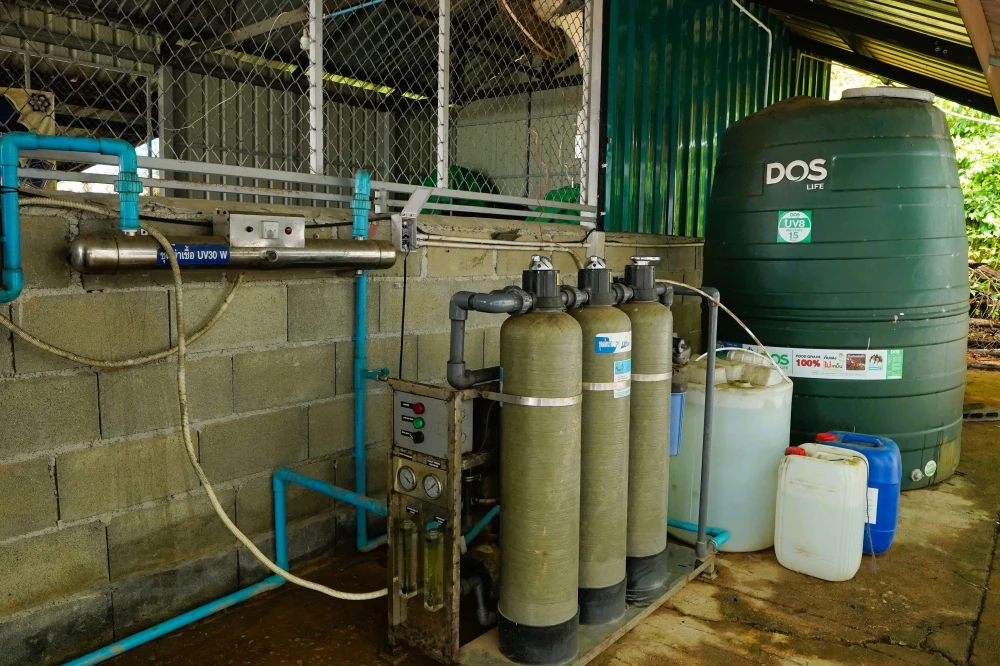
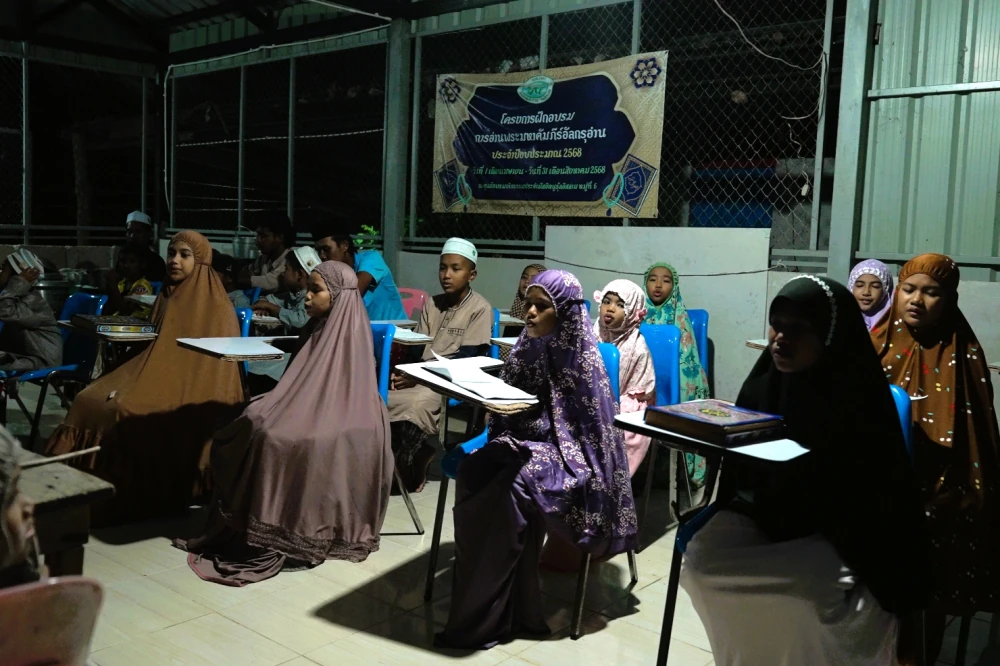
The electricity shortage also affected Nurul Islam Mosque, the heart of the Ban Laem Nao community. Its existing solar batteries and inverter system had been out of service for more than two years, leaving the mosque without sufficient electricity to power its public-address system used to announce the five daily prayer times. The lack of electricity also meant inadequate lighting for more than 30 older children and adults attending religious classes at the mosque between 7:00 p.m. and 8:00 p.m. In addition, the community’s shared drinking water filtration system, located near the mosque, had remained out of operation for an extended period because there was no electricity to power its water pump, even though the filtration equipment itself remained fully functional. As a result, households faced additional daily expenses from having to purchase drinking water from the mainland.
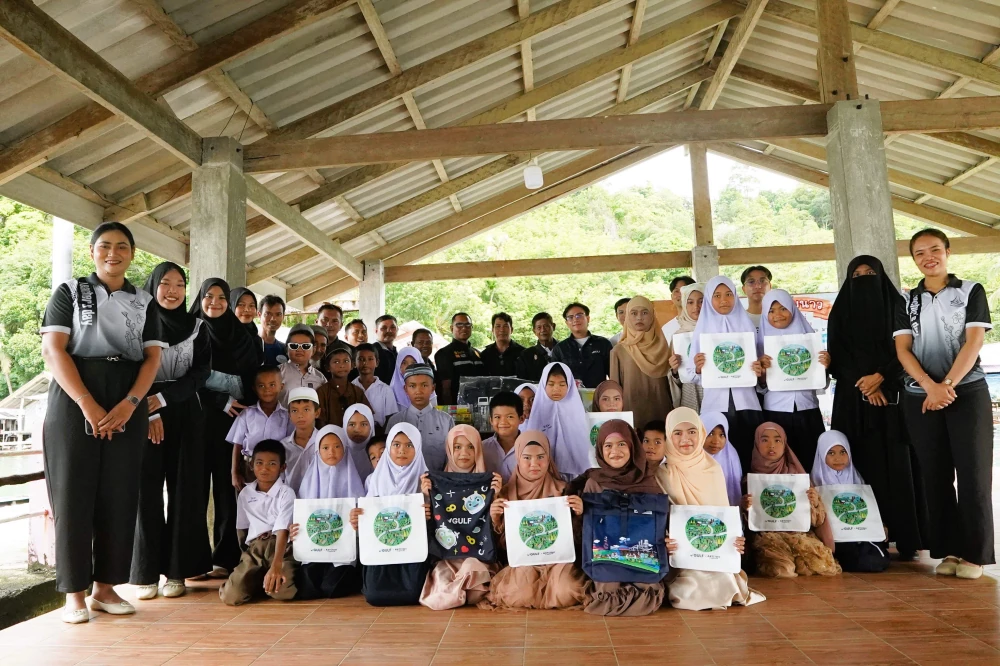
Mr. Pichet said GULF’s solar power system was designed to serve key facilities at the center of the community. In addition to providing the mosque with reliable electricity for religious activities and its public-address system throughout the day, the new system will allow the community water filtration facility to resume producing clean drinking water. This will help reduce household expenses while also providing sufficient lighting for children to study in the evening.
“We are truly grateful that GULF came in with support that directly addresses what our community genuinely needed. It feels like someone who has been ill for a long time finally finding the right doctor and receiving the treatment they need. This has been an ongoing challenge for our community for many years, and we are deeply touched that GULF has helped provide a solution.
“The solar power system not only provides electricity for the mosque and children’s religious classes, but has also brought our community drinking water filtration system back into operation after being out of service for a long time. Families no longer have to purchase drinking water, which significantly reduces their daily expenses. On behalf of the Ban Laem Nao community and all our students, I would like to express our heartfelt thanks to GULF.”
Beyond improving access to essential services, reliable clean energy is also expected to help revitalize Ban Laem Nao’s grassroots economy and community-based tourism. The village established the Ban Laem Nao Homestay Community Tourism Group in 2016 to create jobs and additional income through eco-tourism and experiences centered on the community’s local way of life.
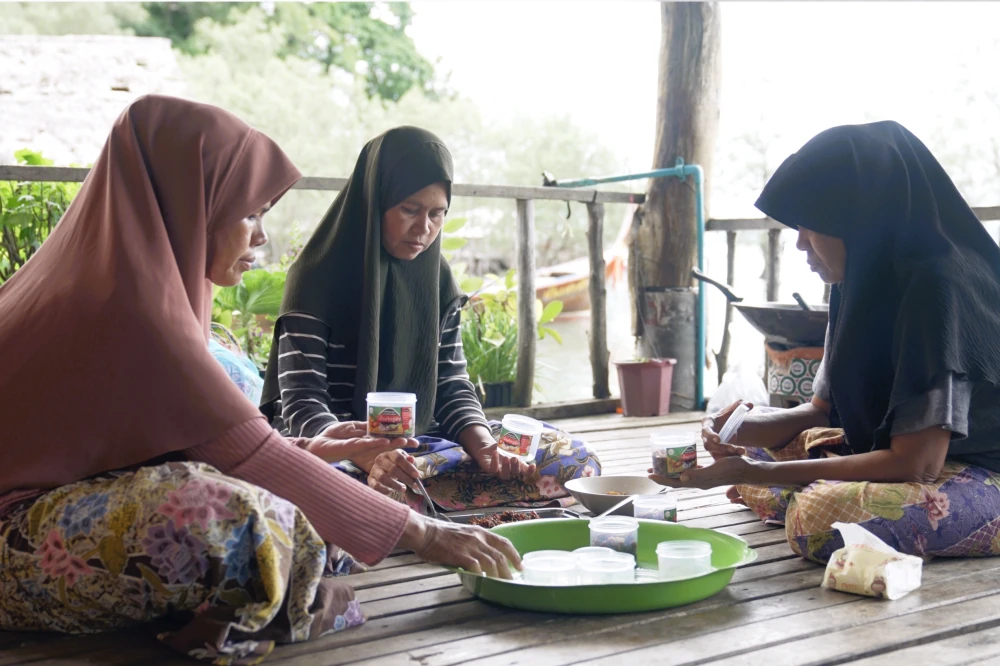
Tourism income is distributed among different groups within the community, including local women involved in food preparation, long-tail boat operators providing transportation services, and young community members serving as local guides. After expenses, a portion of the proceeds is contributed to a community fund supporting public-benefit initiatives, Children’s Day activities, and assistance for vulnerable members of the community.
Mr. Pichet added, “Our homestay group previously had to temporarily suspend its services because of the electricity shortage and rising fuel costs for the generator. Without reliable electricity, we were unable to provide visitors with the necessary facilities or confidence in their stay.
“GULF’s solar power support will also extend to guest accommodation and homestays, allowing the community to welcome visitors again at full capacity without having to worry about restrictions on when electricity is available. This will help bring sustainable income back into the community. More importantly, reliable electricity could create new opportunities for us to further develop local food processing and value-added products from our traditional fisheries in the future.”
GULF remains committed to advancing the “Green Energy Green Network for THAIs” initiative, expanding access to clean energy in remote and underserved communities across Thailand. Through the initiative, GULF aims to broaden opportunities, help reduce social inequality, and contribute to sustainably improving the quality of life of people and communities across the country.
Gallery