GULF Brings the Power of Clean Energy to Ban Huai Ta in Uttaradit, Expanding Educational Opportunities and Improving Community Well-being
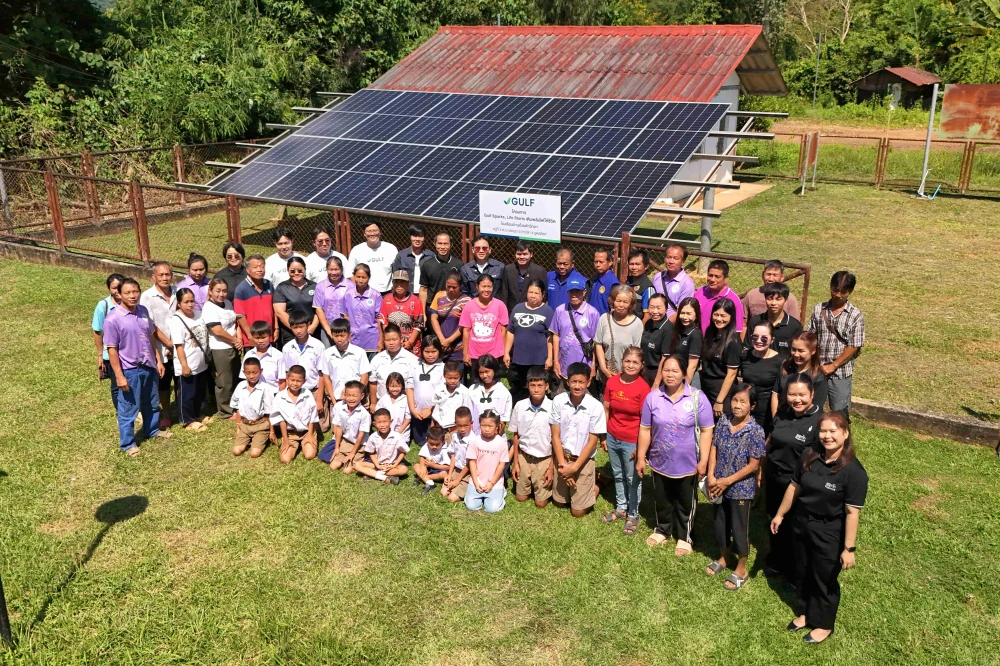
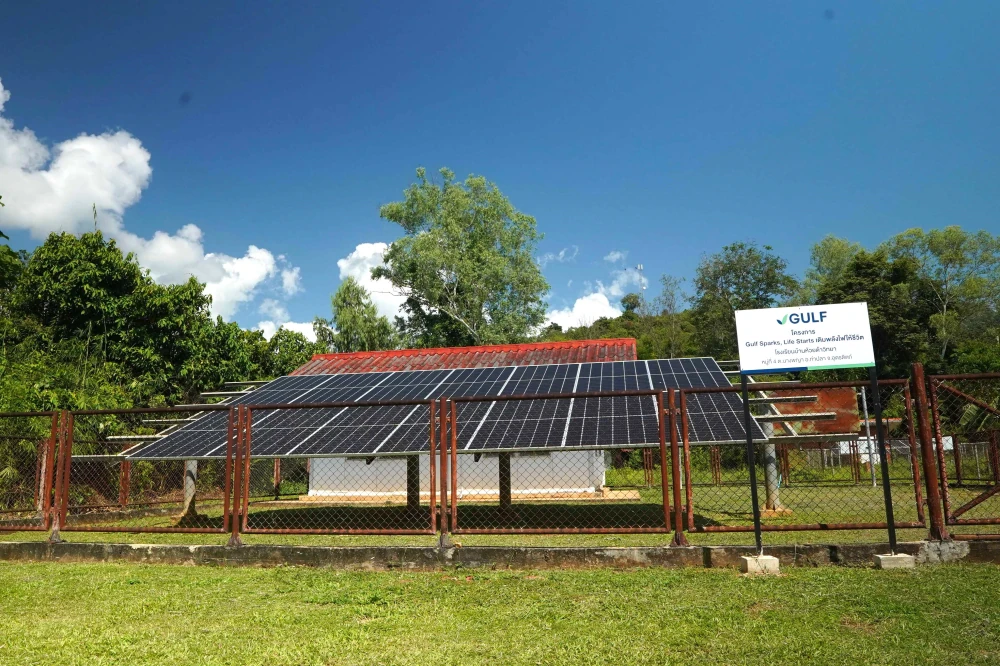
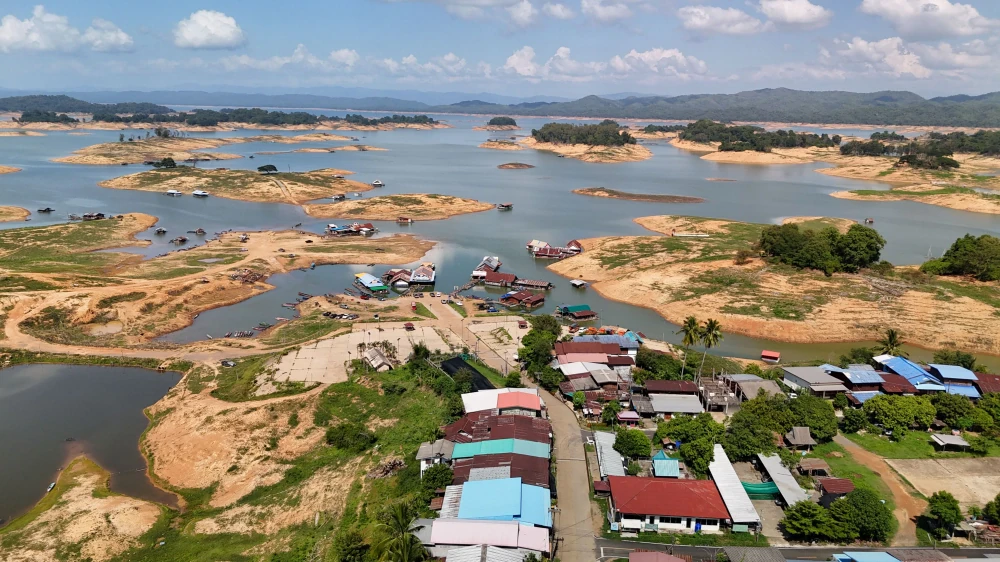
Gulf Development Public Company Limited (GULF) continues to advance its commitment to sustainable social development through “GULF Sparks, Life Starts,” now in its fourth consecutive year. The initiative seeks to improve quality of life and help reduce inequality in remote communities across Thailand by inviting members of the public to nominate areas with limited access to electricity for the installation of solar power systems at no cost. Among the communities selected this year is Ban Huai Ta in Nang Phaya Subdistrict, Tha Pla District, Uttaradit Province, a remote island community located above the Sirikit Dam that has faced limited access to electricity for many years. Recognizing the community’s pressing needs, GULF installed a solar power system with battery energy storage at Ban Huai Ta Wittaya School, bringing reliable clean energy to a place that serves not only as a school, but also as an important center of community life.
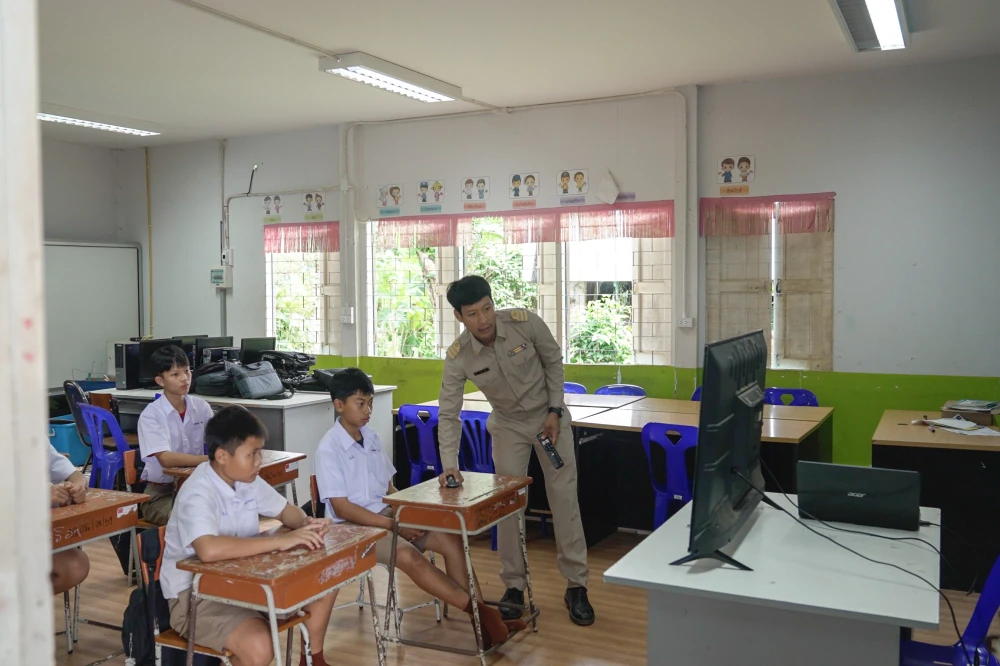
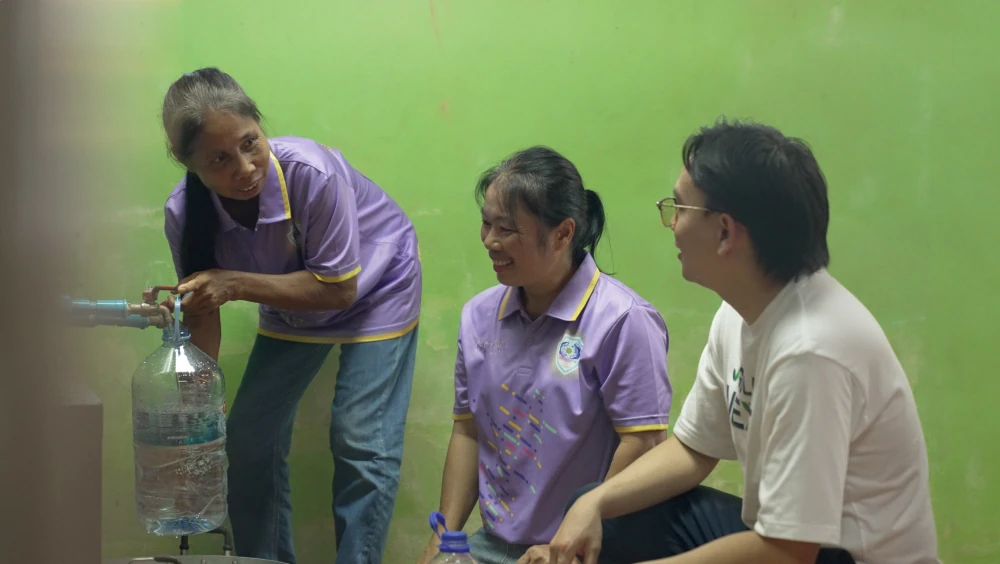
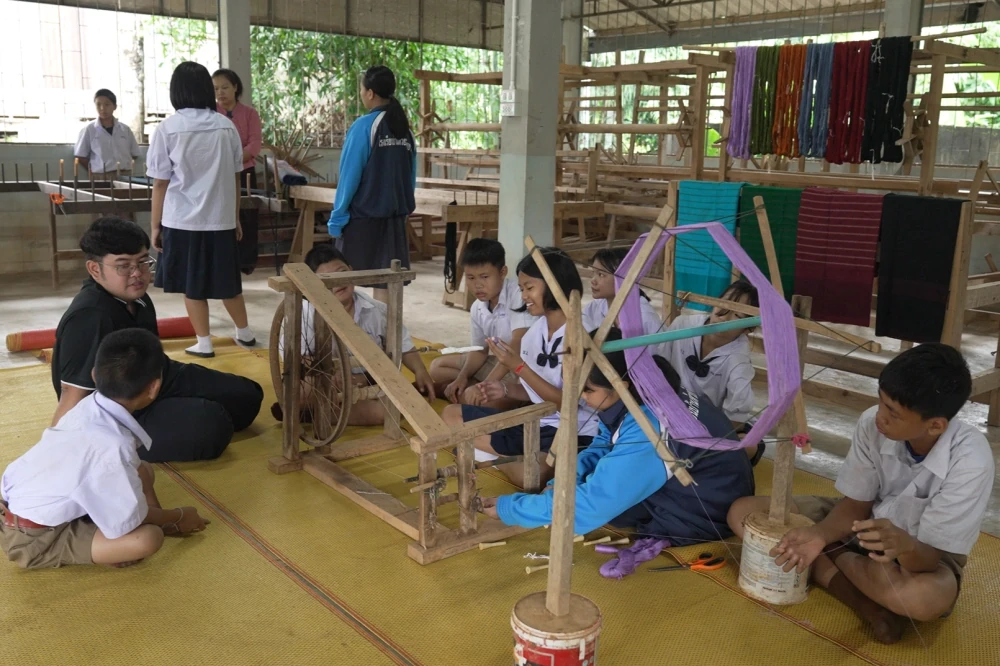
The impact extends well beyond keeping the lights on. Reliable electricity enables children and young people to gain greater access to computers, digital learning materials and modern educational technology. It also allows the school to better preserve fresh ingredients for its lunch program, helping support safe and nutritious meals for students and teachers. The additional power enables the water filtration system to operate more effectively, improving access to clean and safe drinking water for both the school and surrounding community. At the same time, it supports local weaving and handicraft activities, helping preserve valuable local wisdom while creating opportunities for livelihoods and strengthening the community’s economy over the long term.
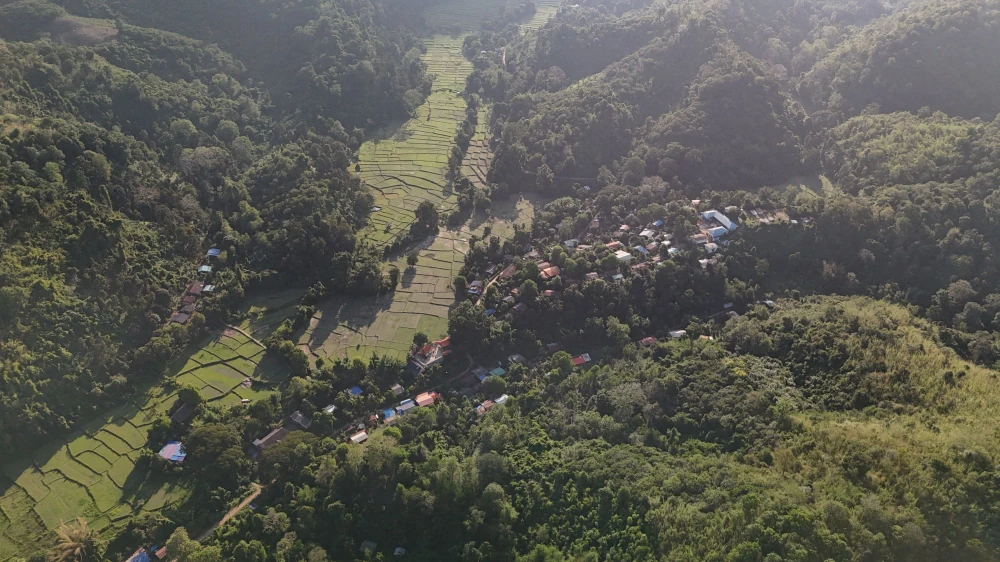
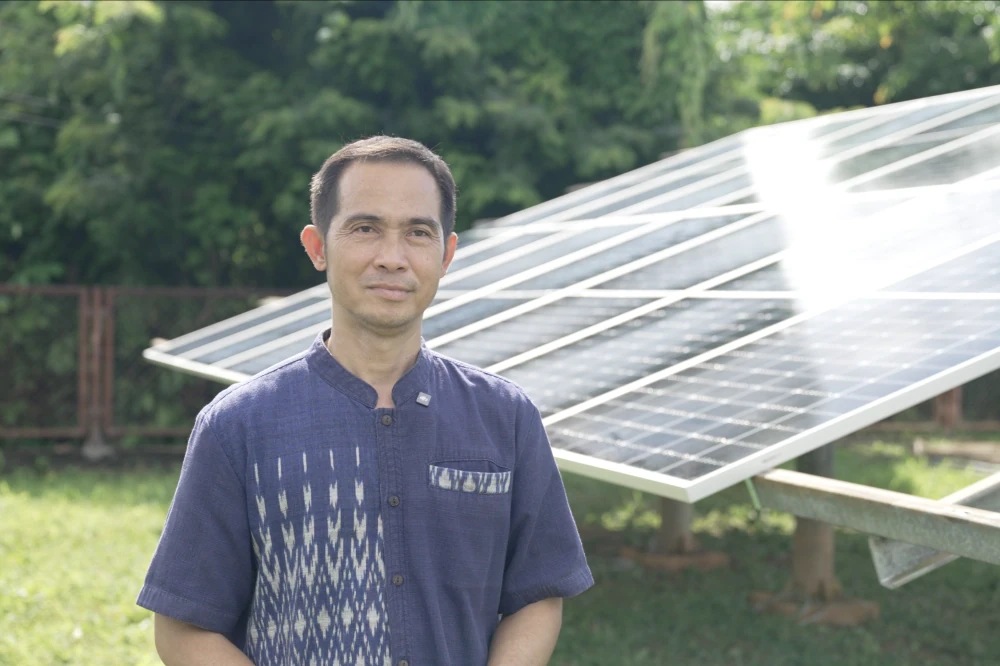
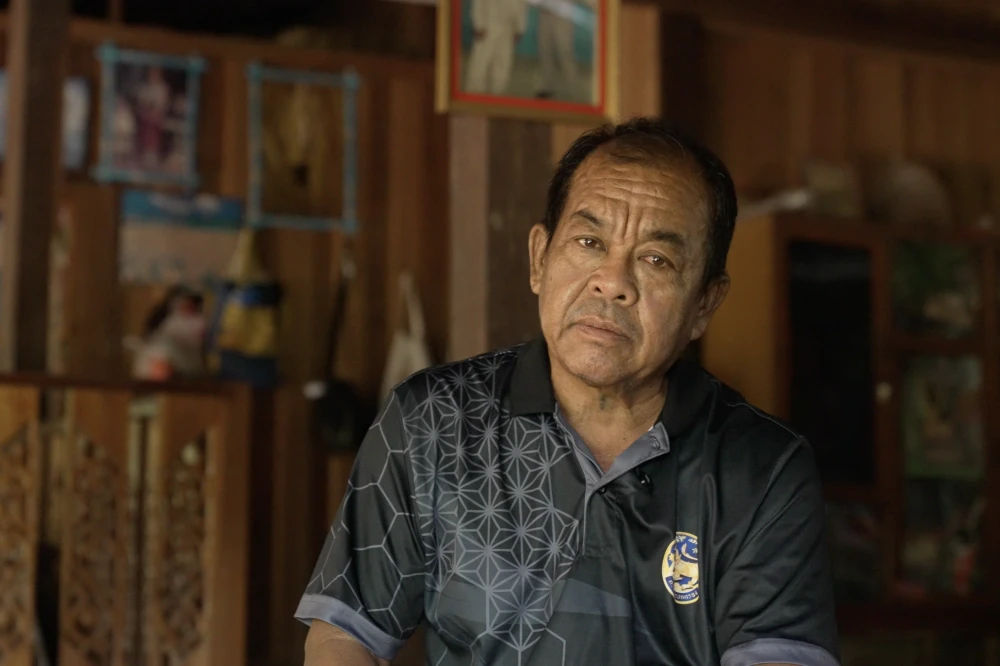
Mr. Yongyut Singte, Village Headman of Moo 4, Ban Huai Ta, Nang Phaya Subdistrict, Tha Pla District, Uttaradit Province, said, “Ban Huai Ta is a small community of approximately 300 people, or around 150 households. The village is situated in an island-like area above the Sirikit Dam, which means boats are our primary means of transportation. The journey from the pier in Tha Pla District takes approximately two hours. Most residents make their living through farming and fruit cultivation, including rambutan, longkong, and Lin-Laplae and Long-Laplae durians. These have become important economic crops for the community, following the royal bestowal of plant varieties that were cultivated and expanded locally, eventually developing into key sources of income for residents.”
“In the past, life in Ban Huai Ta was particularly challenging. The community was later blessed by the royal benevolence of Her Majesty Queen Sirikit The Queen Mother, who, accompanied by members of the Royal Family, visited local residents and extended support in several areas, particularly livelihood development and quality of life. This led various government agencies to provide further assistance in agriculture, livestock, fisheries, weaving and handicrafts. The multipurpose building at Ban Huai Ta Wittaya School has since served as a community learning center where local knowledge and traditional craftsmanship continue to be passed down.”
“Despite the community’s continued development, limited access to electricity has remained one of the most significant challenges affecting people's quality of life. This is particularly true at Ban Huai Ta Wittaya School, which serves as a center for both education and community activities. The shortage of electricity also created challenges in access to safe drinking water, as the water filtration system could not operate at full capacity. As a result, many residents had to rely on bottled drinking water for their daily needs.”
“GULF’s installation of the solar power system has directly addressed a fundamental need of both the school and the community. Children now have greater educational opportunities, the water filtration system can provide clean and safe drinking water for students and residents, and community activities can operate more effectively. This initiative has made a tangible difference to the quality of life of people in Ban Huai Ta.”
Mr. Bundit Nantangoen, Director of Ban Huai Ta Wittaya School, said, “Ban Huai Ta Wittaya School is an educational opportunity expansion school, providing education from kindergarten through Grade 9. We currently have 13 teachers and 41 students. For many years, the school has faced an ongoing shortage of electricity, as we have had to rely on the village’s electricity system, which is available only during limited hours. Our existing solar power system had also deteriorated after years of use and was recently damaged by a lightning strike, leaving it inoperable.”
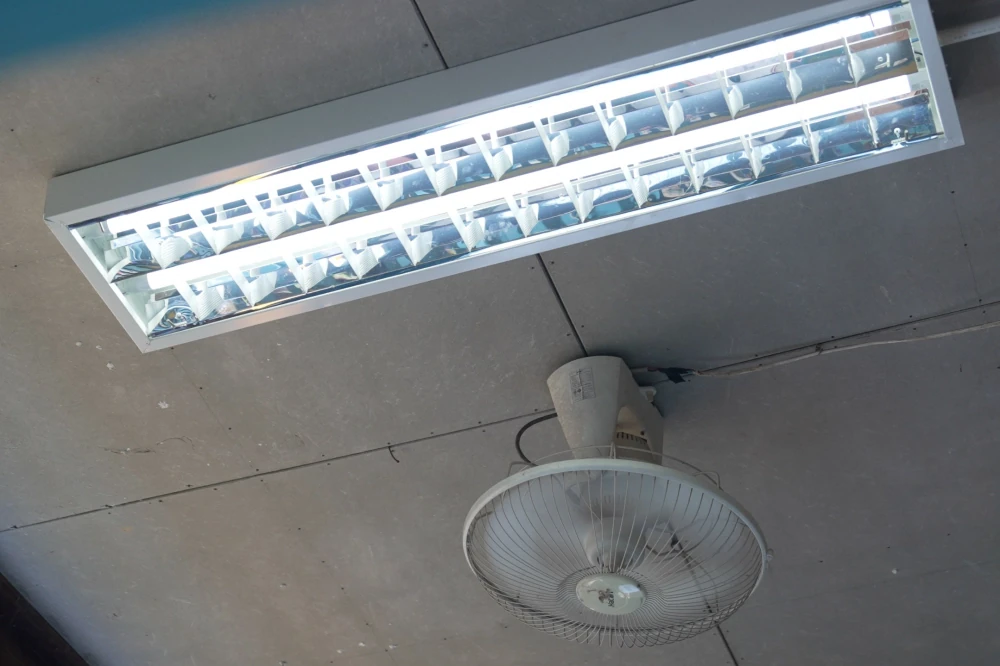
“The lack of reliable electricity directly affected teaching and learning. Students were unable to fully access electronic devices, computers and digital learning resources, while teachers often had to create teaching materials by hand. During periods of unfavorable weather, classrooms did not have sufficient lighting, affecting students’ learning environment and eyesight. Teachers sometimes had to adapt their lessons or relocate classes to cope with these limitations. The shortage of electricity also affected the storage of ingredients for the school lunch program, the production of clean drinking water, and activities at the community weaving center, which plays an important role in preserving local wisdom inspired by royal initiatives.”
“Following these challenges, the Nang Phaya Subdistrict Administrative Organization coordinated support for the school and submitted our community through GULF’s online channel for consideration under the solar power initiative. When we learned that the school had been selected, both teachers and residents were delighted. Having sufficient and reliable electricity throughout the day means our students can now access computers, the internet and modern learning resources on a more equal footing with students elsewhere. The water filtration system can operate effectively, providing clean drinking water for students and the wider community, while the community weaving center is also able to resume normal operations. This will help preserve traditional craftsmanship and pass this valuable knowledge on to younger generations. On behalf of the school and the community, I would like to thank GULF for helping improve both educational opportunities and the quality of life of people in our community.”
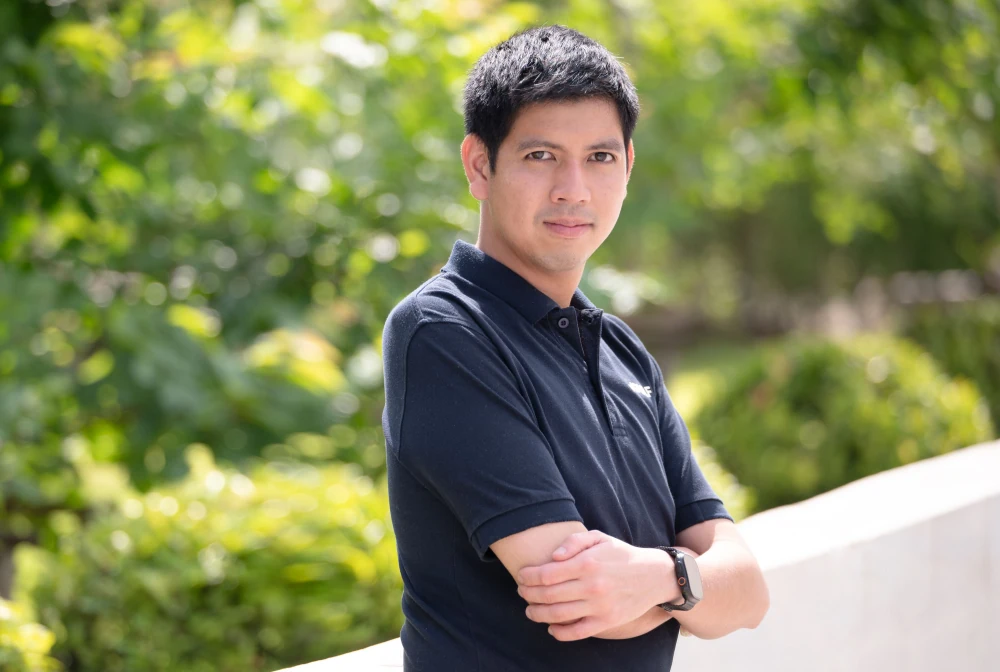
Mr. Sitamon Ratanavadi, Head of Corporate Social Responsibility, Gulf Development Public Company Limited, said that “GULF Sparks, Life Starts” represents one of GULF’s key social responsibility initiatives to help reduce inequality, improve quality of life and contribute to sustainable development. Over the past four years, the initiative has gone beyond addressing electricity shortages in remote and underserved areas by using access to clean energy as a foundation for broader benefits in education, public health, livelihood development and community well-being.
“Over the past four years, GULF has installed solar power systems in more than 20 remote communities across Thailand, with a combined electricity generation capacity of over 100 kilowatts, benefiting more than 10,000 people. We will continue to apply our knowledge, expertise and clean energy capabilities to improve quality of life for communities across Thailand, while contributing to the country’s sustainable social development,” Mr. Sitamon concluded.
Gallery